Verge cutting and field-margin topping look simple, but the timing is governed partly by law and partly by wildlife, and the right machine depends on what is growing. This guide sets out the rules that apply to hedges and margins on farmland in England (which covers all of Devon, Cornwall, Somerset and Dorset), a month-by-month plan, and the toppers and mowers we hire for verges, margins and estate grass. It is general information, so check the current guidance before you start.
In this guide
The hedgerow rules that shape the season
Since 2024, the Management of Hedgerows (England) Regulations have put the old cross-compliance hedge rules into law. According to GOV.UK’s hedgerow cutting guidance:
- Cutting or trimming covered hedgerows is not allowed from 1 March to 31 August.
- The rules apply to hedgerows on or next to agricultural land, including grazing, horticulture, nurseries and allotments, and to hedges on farmland bordering places like golf courses.
- A hedgerow is covered if it is more than 20m long (with gaps of 20m or less), or shorter but joined to another hedgerow at each end.
- There are exemptions, including where a hedge overhangs a road or footpath and obstructs or endangers users or blocks their view, hedge-laying and coppicing between 1 March and 30 April, and hedges in private gardens. Some exemptions require records or prior notification to the Rural Payments Agency.
The same regulations require a 2m buffer strip measured from the centre of the hedgerow, where you must not cultivate or apply fertiliser or pesticides, and must keep green cover. The buffer strip guidance has the detail.
Separately, it is an offence under the Wildlife and Countryside Act 1981 to intentionally damage or destroy an active bird’s nest, whatever the date. Check hedges and long grass before any cutting in spring and summer.
Verge cutting versus hedge cutting
The hedge rules cover the hedge itself. Topping the grass of a field margin or farm-track verge is a different task, but it happens right next to the hedge, often with the same tractor, and margins are prime nesting and feeding ground for birds and insects. In practice most farms and estates plan both together.
Public road verges are maintained by the highway authority. If you are cutting along a public road, whether as a landowner or contractor, talk to the highway authority first and use proper signing and traffic management. A slow tractor and topper on a narrow Devon lane with high banks is a real hazard.
We do not list a flail hedge cutter. If you need one, ask us and we will tell you what is available or point you in the right direction.
Choosing a topper or mower
| Machine | Cut width | Best for |
|---|---|---|
| SaMASZ Mammut flail topper | 2.8m | Rough vegetation, overgrown margins, rushes and docks |
| Del Moriano PTO topper | 1.8m | Grassland and verge topping, narrower gateways |
| Conagri MEGA flail mower | 1.45m | Amenity and rough grass on estates, pairs with the Captain 26HP compact tractor |
| SaMASZ Samba 281 disc mower | 2.8m | A clean cut of standing grass for hay or wildflower meadows |
| CRAMER battery strimmer | Handheld | Around posts, gates, signs and banks the tractor cannot reach |
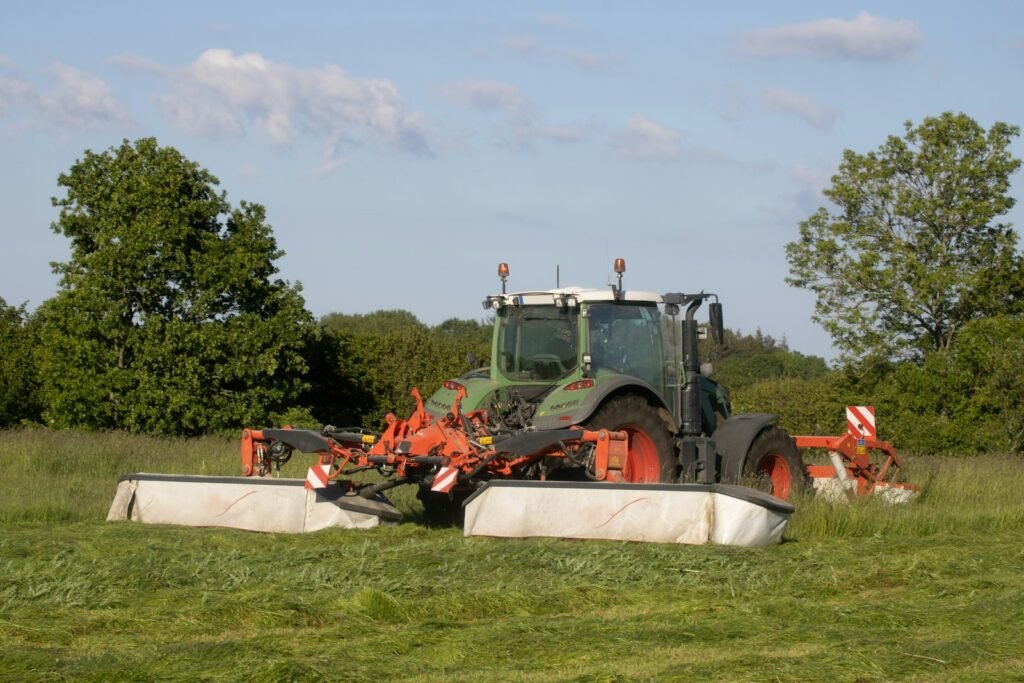
Flail toppers chop and spread material, which is what you want on a rough margin. A disc mower leaves the grass in a swath, so it can be raked up and removed, which matters for wildflower verges where cuttings left in place enrich the soil and favour coarse grasses.
The larger toppers need a tractor with enough power and the right linkage. Our agriculture fleet includes the John Deere 6155R (155HP, 4WD). For estates, churchyards and sports grounds, the Captain 26HP compact tractor with the MEGA flail mower from our sports and landscaping range is lighter on soft ground and easier through narrow gates.
A year of verge cutting
- September to February: the main window for hedge trimming on farmland. Many people cut every two or three years, or alternate sides, rather than every hedge every year, which leaves more berries and flowers.
- March to April: keep cutting to safety work. Check margins for ground-nesting birds before topping.
- May to July: keep visibility splays at junctions and field entrances clear; limit topping elsewhere if you are managing margins for wildlife.
- Late July to September: a common time to cut wildflower verges and meadows after flowering and seed set, removing cuttings where you can.
- Autumn: top rough margins, rushes and docks before winter, and catch up on hedges once September begins.
Agri-environment agreements can set their own cutting dates and methods. If you are in one, those terms apply on top of the general rules.
Clearing up after the cut
What happens to the cuttings matters as much as the cut. On a road or track edge, flailed material and hedge trimmings left on the carriageway are slippery and can puncture tyres, so clear them the same day. The CRAMER backpack leaf blower is quiet and quick for sweeping debris off lanes, yards and paths back onto the verge.
On wildflower verges and meadow margins, removing the cuttings is what keeps the soil poor enough for flowers to compete with grass. Let the cut material lie for a few days so seed can drop, then rake or collect it. Small areas can be cleared by hand; on estates, the Conagri MEGA 1.5T tipping trailer behind a compact tractor, or the load bed of an AODES or CORVUS UTV, takes arisings to a compost heap or habitat pile. Avoid dumping cuttings in ditches, where they block flow and rot.
Working safely on verges and margins
- Walk the margin first for stones, wire, fallen branches and old fence posts that a flail will throw.
- Check the guards and flails on any topper before use and keep people well clear while it runs.
- Watch for steep banks and ditches hidden in long grass; Devon banks and Cornish hedges can drop away sharply.
- Look up for overhead lines when moving between fields with the linkage raised.
- Hire is self-drive, so the operator must be competent with the tractor and implement.
Overhanging hedges and the public road
Hedges along public roads and footpaths bring a second set of responsibilities. The landowner is normally responsible for keeping hedges and trees from obstructing or endangering road users, and under section 154 of the Highways Act 1980 a highway authority can serve notice requiring overhanging vegetation to be cut back, and can do the work and recharge the owner if it is not done. In the narrow, high-banked lanes of Devon and Cornwall, sight lines at junctions and field entrances are a genuine safety issue.
The hedgerow regulations allow cutting during the closed period where a hedge overhangs a highway, road or footpath and obstructs or endangers users, blocks their view or the light from a street lamp. You must keep records and cut only what is needed for that purpose. Grass verges at junctions and bends are usually maintained by the highway authority, so if you plan verge cutting alongside a public road, agree it with them first and use proper signing.
Managing margins for wildlife
Field margins and verges carry a large share of the wildflowers, insects, small mammals and ground-nesting birds on a farm. A few changes to how and when you cut make a real difference without losing access or visibility.
- Cut in rotation: top a third or half of the margins each year rather than all of them, so there is always some taller cover.
- Raise the cutting height: a higher cut on rough margins leaves tussocks for insects and small mammals over winter.
- Cut from the inside out: start in the middle of the field or at one end and work outwards, so animals can move away from the machine instead of being trapped.
- Leave the hedge base: a strip of rough grass at the foot of the hedge is valuable cover and must keep green cover within the 2m buffer.
- Remove cuttings on flower-rich verges: it lowers fertility and lets flowers compete with grass.
Keep the area by gateways, junctions and tracks short for safety and access, and manage the rest more lightly. This split is common on estates and farms across the South West and fits most agri-environment options, though your own agreement’s prescriptions take priority.
Setting up the tractor and topper
A topper that is too wide for the tractor, or run at the wrong speed, cuts badly and wears both machines. Before you start:
- Match the implement to the tractor. Check the implement’s power requirement and linkage category against the tractor. The 2.8m SaMASZ Mammut needs a larger tractor such as the John Deere 6155R; the 1.45m MEGA flail mower suits the Captain 26HP.
- Check the PTO speed. Run the topper at the speed stated on the implement, and engage the PTO smoothly at low engine revs.
- Set the cutting height with skids or the rear roller, not by holding the linkage, so the height stays consistent over uneven ground.
- Ballast for slopes. A heavy rear implement lightens the front axle, which affects steering on banks. Add front weights where the manufacturer advises.
- Inspect flails or blades for damage and missing bolts, and check guards and the rear flap are in place.
Drive at a speed that lets the machine cut cleanly. Rushing through dense growth leaves a ragged finish and overloads the drive.
Banks need extra thought. Devon banks and Cornish hedges often have a steep face and a ditch at the foot hidden by grass, and running a wheel into either can tip a tractor. Walk the line first, keep the tractor on the level field side where you can, and use a strimmer for the bank face rather than reaching with the topper. On roadside work, work with the traffic flow, use a beacon and stop when visibility is poor.
A worked example: an estate’s verges and margins
An illustrative plan for a rural estate in north Cornwall with 2km of internal drive verges, several field margins managed for wildlife and a wildflower meadow by the house. It is a typical shape, not a real customer job.
- May to July: Captain 26HP with the MEGA flail mower keeps a mower-width strip along drive edges and junctions short for visibility. The rest of the verge is left long.
- Late July or August: once the meadow has flowered and set seed, the SaMASZ Samba 281 disc mower behind the John Deere 6155R cuts it. Cuttings are left a few days, then collected with the MEGA 1.5T tipping trailer.
- September: SaMASZ Mammut 2.8m tops half the rough margins and rushy corners. Hedge trimming begins with the estate’s own hedge cutter, sides alternated year by year.
- October: CRAMER blowers clear lanes and drives, and the tractor and topper go back.
Spread across the season, that is two short hires and one longer one. For an estate that wants a tractor available all summer, a monthly or long-term rental can be simpler than separate bookings.
Keep records of what you cut and why
If you rely on an exemption to cut a hedge during the closed period, the regulations expect you to keep records and be able to show how and why the exemption applied. A simple log helps with that and with agri-environment inspections.
- Date, field or road name and length cut.
- The reason, such as road safety or a visibility splay.
- Photos before and after.
- Any nest checks carried out, and what you found.
- Who did the work and with which machine, which is useful if a neighbour or the highway authority asks later.
- If you are sowing oilseed rape or temporary grass in August, the notification sent to the Rural Payments Agency and its acknowledgement.
What affects the cost of verge cutting kit
We quote each job individually. The main factors are the implement, whether you also need a tractor, how many days or weeks, and the delivery distance from our depot near Okehampton. Grouping several jobs into one hire, such as margin topping, meadow cutting and clearing up, usually works better than separate bookings. Estates that need different groundcare kit through the year may find Flex Hire worth a look: one flat monthly fee, swap kit any time, servicing included. Insurance is not included automatically.
Common verge cutting mistakes
- Cutting everything every year: it removes winter cover and the flowers that pollinators depend on. Rotational cutting keeps margins tidy without stripping them bare.
- Topping too low: scalping hits stones and soil, blunts flails, throws debris and damages the sward. Set the height with skids or the roller.
- Leaving cuttings on the road: flailed material and hedge trimmings on a lane are a skid and puncture risk. Clear them the same day.
- Ignoring the buffer strip: cultivating, spraying or fertilising within 2m of the centre of a covered hedgerow breaks the rules, even if the margin itself is cut correctly.
- Using the wrong machine: a disc mower in rough, stony margins will be damaged, and a flail topper on a wildflower meadow leaves cuttings that enrich the soil.
- Skipping the walk-round: hidden wire, fallen branches and old fence posts wreck flails and can be thrown a long way.
Delivery and getting started
We deliver tractors and implements from our depot near Okehampton to a yard or a firm, level point the lorry can reach. Lanes in much of Devon and Cornwall are narrow and high-banked, so tell us about gate widths, weight limits and turning space when you book. On delivery, our driver will help hitch the implement and go through the controls and PTO connection. If more than one person will drive, make sure each is competent with the tractor and the implement before they start, because hire is self-drive.
Plan the first day for the easiest ground. A gentle start on a flat margin lets the operator get used to the cutting height, speed and turning circle before tackling banks, gateways and roadside work.
Frequently asked questions
When can I cut hedges on farmland in England?
Outside 1 March to 31 August, unless an exemption applies, such as where a hedge is obstructing or endangering road users. Check GOV.UK for the current rules.
Do the hedge rules apply to grass verges?
The cutting dates apply to the hedgerows themselves. Topping margins is not covered by the same dates, but nesting bird protection always applies and buffer strips must keep green cover.
What is the best machine for an overgrown field margin?
A heavy-duty flail topper such as the SaMASZ Mammut 2.8m copes with rough vegetation that would choke a mower.
Can I hire a tractor with the topper?
Yes. The John Deere 6155R and Captain 26HP compact tractor are both available; tell us the job and we will pair the right implement.
How high should I set a topper on a field margin?
Higher than you would for a lawn. A raised cut on rough margins leaves cover for insects and small mammals. Keep verges by junctions and gateways shorter for visibility.
Can I trim a hedge in August before sowing oilseed rape?
GOV.UK guidance allows this where you are sowing oilseed rape or temporary grass in August, but you must notify the Rural Payments Agency each year before cutting. Check the current guidance first.
Who has to cut a hedge along a public road?
Usually the landowner. Highway authorities can require overhanging vegetation to be cut back under the Highways Act 1980.
Book your verge and margin kit
Tell us the length of verge or margin, the vegetation, your postcode and dates, and we will suggest the right tractor and topper for your verge cutting with a current quote. WhatsApp or call 07841 036064, or use our contact page.