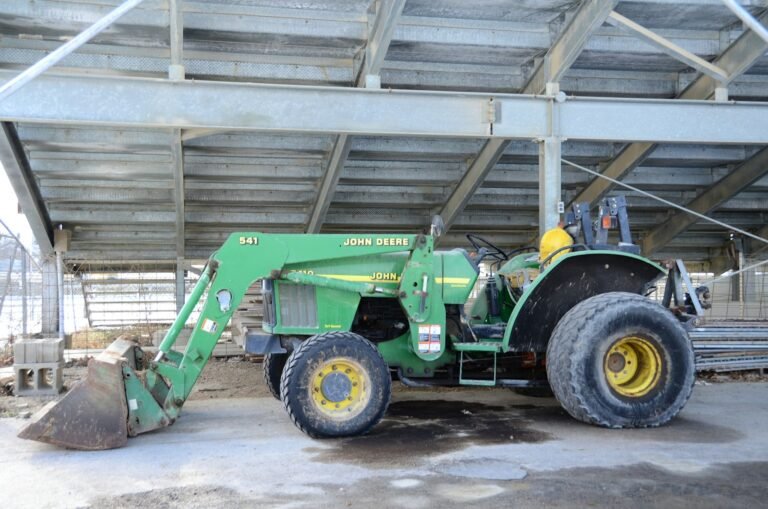
A petrol ride-on at 6am will not make you popular with the houses backing onto a park or the holidaymakers in the static caravans next to the course. Our electric zero turn mower hire solves that. The CRAMER electric zero turn mower is battery powered, quiet and produces no exhaust fumes, so you can cut when the grass needs it rather than when the noise is acceptable. We also hire CRAMER battery walk-behind mowers, strimmers, leaf blowers and a disc cutter, so a whole grounds crew can go electric for a contract, a season or a trial.

In this guide
What makes a zero-turn different
A zero-turn mower steers by driving its two rear wheels independently, usually with a pair of lap levers. Push one forward and pull the other back and the machine pivots on the spot. That means you can cut tight around trees, benches, bunkers, gravestones and flower beds without the three-point turns a conventional ride-on needs.
In practice the benefit is less strimming afterwards and a cleaner finish on amenity grass with lots of obstacles. Once operators are used to the levers, they cover broken-up areas noticeably faster than with a lawn tractor.
Why choose electric for zero turn mower hire
- Low noise. Start early near homes, hotels, hospitals, schools and holiday accommodation without disturbing people.
- No exhaust at the point of use. Better for operators working all day, and for courtyards, enclosed gardens and areas near open windows.
- No fuel to store or carry. No jerry cans in the van, no spills on fine turf.
- Less vibration and simpler upkeep. No oil changes, spark plugs or air filters.
- Quieter conversations. Crews can hear each other, the public and approaching vehicles more easily.
Where quiet cutting matters in the South West
Devon and Cornwall have a lot of grass close to people. A few sites where our customers find electric mowers make a real difference:
Golf courses
Greenkeepers often need to be ahead of the first tee time. Electric mowers let you start cutting around the clubhouse, practice green and holes nearest housing without complaints. Through our Hole in One Rentals line we put together seasonal packages for clubs.
Holiday parks and hotels
Coastal parks in north Cornwall, south Devon and the Exmoor fringe are busiest exactly when the grass grows fastest. Cutting quietly in the morning keeps guests happy.
Schools, care homes and churchyards
Term-time cutting near classrooms, quiet grounds round care homes and respectful mowing in churchyards and cemeteries all suit battery kit, and the zero-turn’s manoeuvrability is ideal among headstones.
Residential estates and private gardens
Landscape maintenance contractors working on managed estates or in villages can work without leaving a trail of noise and fumes behind them.
The CRAMER electric range
| Tool | Typical job |
|---|---|
| CRAMER electric zero turn mower | Open amenity grass with obstacles: parks, fairway surrounds, large lawns |
| CRAMER electric walk-behind mower (various widths) | Smaller lawns, banks, gated gardens, areas a ride-on cannot reach |
| CRAMER electric strimmer | Edges, fence lines, around posts and signage |
| CRAMER backpack leaf blower | Clearing clippings from paths, car parks and greens over longer periods |
| CRAMER handheld leaf blower | Quick tidy-ups of steps, patios and entrances |
| CRAMER disc cutter | Cordless cutting jobs around the site |
Walk-behind widths change with stock, so ask us what is currently available. You can see the whole range on our sports and landscaping equipment page.
Planning a day on battery power
The main difference with electric is planning around charge rather than fuel. Before you book, talk to us about the size of the area, how many hours you expect to cut and where you will charge overnight. We will tell you what to expect from the battery for your type of work and whether you would benefit from swapping between machines.
- Charge fully the night before and keep the charger somewhere dry and secure.
- Cut the furthest areas first while the battery is full, working back towards the charging point.
- Keep blades sharp and avoid cutting very long, wet grass in one pass; both drain the battery faster.
- Raise the cutting height on rough or overgrown areas, then make a second pass lower.
- Store the mower under cover overnight and clear clippings from the deck.
Electric mowers also keep your site cleaner. With no fuel or oil on board, there is no risk of a spill scorching a green or leaving a stain on a hotel lawn, and nothing to refill partway through a job. Clippings still need blowing off paths afterwards, which is where the quiet battery blowers earn their place.
Safety and slopes
Zero-turns steer and brake through their rear wheels. On wet grass and steep banks that gives less grip than you might expect, and Devon is not short of either. Read the operator’s manual for slope guidance, mow across or up and down banks as it advises, and use a walk-behind mower or strimmer on anything steeper. Hire is self-drive, so whoever operates the mower needs to be competent with ride-on machines; if they have not used lap-bar steering before, give them time on flat open ground first.
Contractors: seasonal hire and Flex Hire
Grounds maintenance firms often need extra capacity from spring to autumn only. Weekly and monthly hire cover a short contract. If you would rather have a mix of kit you can change as the season moves from mowing to leaf clearance, Flex Hire gives you one flat monthly fee with swaps, servicing and collect-and-redeliver included and no long-term contract. Tier 1 covers compact kit and everyday tools at £795 +VAT and delivery per month.
Zero-turn, lawn tractor or walk-behind?
Before committing to zero turn mower hire, it is worth being clear about where each type of mower earns its keep. Many sites are best served by a mix.
| Electric zero-turn | Conventional ride-on or lawn tractor | Electric walk-behind | |
|---|---|---|---|
| Steering | Lap bars, pivots on the spot | Steering wheel, wider turning circle | Pushed or self-propelled |
| Best ground | Fairly level amenity grass with lots of obstacles | Open lawns, gentle slopes, towing small trailers or rollers | Small, enclosed or steep areas |
| Finish around obstacles | Very close, little strimming needed | More strimming afterwards | Close, but slow over large areas |
| Noise and fumes | Quiet, no exhaust | Depends on engine type | Quiet, no exhaust |
| Operator learning curve | An hour or two to get smooth | Familiar to most | Minimal |
A common setup for a hotel or holiday park is a zero-turn for the main lawns, a walk-behind for banks and courtyards, and a strimmer and blower to finish. All of those are in the CRAMER battery range, which keeps charging simple.
Your first hour on lap-bar steering
Lap-bar steering is easy once it clicks, but it is not intuitive for someone used to a steering wheel. Give new operators this short routine on flat, open grass, away from beds, ponds and people, before they start a real job.
- Read the manual and walk round the mower with the operator: controls, cutting height adjustment, parking brake, blade engagement and the emergency stop.
- Practise without the blades engaged. Drive slowly forward and back in straight lines using both levers together.
- Make gentle turns by easing one lever back slightly, then try a pivot turn by moving one forward and one back.
- Practise stopping smoothly by returning both levers to neutral, and parking with the brake on.
- Engage the blades and cut a simple rectangle, then a strip around a single tree or post.
- Only then move on to tight work around beds, benches and headstones, and to any gentle slopes the manual allows.
Most people are cutting confidently after an hour. Jerky lever movements are the usual early mistake; they scuff turf on pivot turns, especially when the grass is damp.
Mistakes new operators make
- Turning on the spot on soft or wet turf, which tears the surface. Make a slightly wider, three-point style turn on delicate grass.
- Cutting too low on uneven ground, so the deck scalps the high spots.
- Driving too fast on bumpy ground, which leaves a ribbed finish and is uncomfortable for the operator.
- Forgetting to check the area first for stones, branches, dog toys and sprinkler heads.
- Leaving the mower unattended with the key in, on a public or shared site.
Noise, vibration and the people doing the work
Quiet machines help the neighbours, but they also help your own staff. Under the Control of Noise at Work Regulations, employers must act when daily exposure reaches certain levels. The HSE sets a lower exposure action value of 80 dB(A) and an upper action value of 85 dB(A), with a limit of 87 dB(A); its noise guidance for employers explains what each means. Check the current guidance when you do your assessment.
Quiet machines bring one risk of their own: people do not hear them coming. On parks, holiday sites and school grounds, walk the area before you cut, keep a sensible distance from the public, and stop the blades if someone comes close. Any mower can throw a stone or twig from the deck, so pick up debris first and never cut towards people, cars or windows.
Battery tools are generally much quieter than petrol equivalents, which can make it easier to keep exposure down across a long day. Use the manufacturer’s stated noise and vibration figures in your risk assessment rather than assuming electric means no controls at all, and remember that leaf blowers used close to the ear can still be loud. Ask us for the figures for the machines you hire.
A mowing year in the South West
Grass grows for much of the year in Devon and Cornwall thanks to mild winters, and coastal sites can need cutting almost year round. This rough calendar shows where electric kit fits in a typical grounds season.
| Period | What is happening | Kit that earns its place |
|---|---|---|
| March to April | Growth picks up, first cuts with the deck raised | Zero-turn, strimmer for edges |
| May to June | Peak growth, weekly or more frequent cutting | Zero-turn plus walk-behind for a second operator |
| July to August | Growth slows in dry spells, busiest visitor season | Quiet early cuts near guests, blowers for paths |
| September to October | Second flush of growth, renovation work | Zero-turn, plus aerators and overseeders on sports turf |
| November onwards | Leaf fall, occasional cuts on mild spells | Backpack and handheld blowers |
Because hire can follow the season, you only pay for extra capacity during the months you need it, and swap mowers for blowers as autumn arrives.
Worked examples: planning the kit
These are illustrative scenarios rather than customer jobs.
A coastal holiday park
A holiday park on the north Cornish coast has several acres of amenity grass between lodges, a play area and a long boundary hedge. Guests are on site from early morning, and the owners want cutting done before most of them are up.
- Main lawns between lodges are cut with the CRAMER zero-turn from early morning, starting furthest from the charging point.
- Steep banks and the area around the play equipment are cut with a walk-behind, which is safer on slopes and around fixed equipment.
- Edges, lodge steps and signage are finished with the battery strimmer.
- Paths and decking are cleared of clippings with the backpack blower before guests are about.
- Charging happens overnight in a lockable maintenance shed, with batteries and chargers kept off the floor and away from fuel or chemicals.
Before booking a setup like this, talk to us about the charging supply each machine needs and how many hours of cutting you expect, so the plan matches what the batteries can deliver.
A churchyard in a market town
A churchyard with closely spaced headstones, mature yews and a gravel path round the church, cut fortnightly by a small maintenance contractor. Noise matters during services, funerals and weekday visits. The zero-turn handles the open grass and the rows where headstones are far enough apart, pivoting at the end of each row; a walk-behind covers the tighter rows; and the strimmer finishes round each stone, used carefully to avoid marking the stonework. Clippings are blown off the path at the end. Because nothing needs fuelling, there is no risk of spilling petrol on the grass or the gravel.
What affects the cost of zero turn mower hire
We do not publish hire rates because the right quote depends on your site. The main factors are:
- Hire length. Daily, weekly and monthly hire are all available, and longer periods work out better value per day. Season-long requirements may suit our long-term rental option, which includes servicing.
- Number of machines. A zero-turn plus walk-behind, strimmer and blowers is a different quote from a single mower, but shares one delivery.
- Delivery distance from our depot near Okehampton, quoted separately.
- Weekend use on a weekly hire, which may be charged extra; tell us if your team mows on Saturdays.
- Insurance, which is not automatically included. Grounds contractors usually have hired-in plant cover; check your policy.
To get an accurate zero turn mower hire quote quickly, send us on WhatsApp:
- The type of site and the rough area of grass, plus how often you cut.
- Any slopes, banks or tight areas, ideally with a couple of photos.
- Where the mower will be stored and charged overnight.
- Your postcode, start date and how long you need the kit.
- Any other tools you want on the same delivery, such as strimmers or blowers.
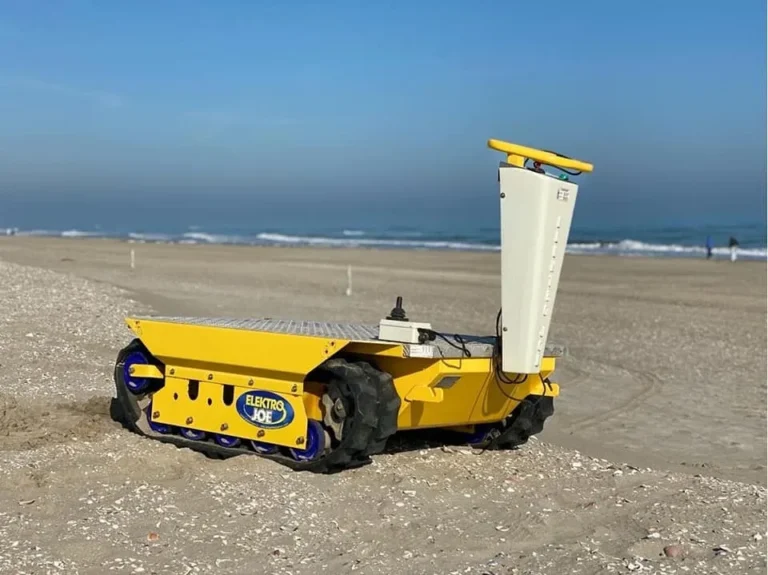
If you are looking to cut emissions across more of your work, our Tracspider Elektro Joe electric tracked transporter is another quiet, zero-emission machine for moving materials on sites where noise and fumes matter.
If you manage staff using mowers and strimmers, HSE explains your duties on noise at work.
Frequently asked questions
How long does the CRAMER zero-turn battery last?
It depends on grass length, moisture, ground and cutting height. Tell us about your site and hours, and we will give you a realistic picture before you hire.
Is an electric zero-turn powerful enough for long grass?
It handles regularly maintained amenity grass well. For rough, overgrown areas, consider a flail mower first, such as our Conagri MEGA 1.45m flail, then switch to the zero-turn for finishing.
Do I need any special licence to use a zero-turn mower?
No licence is needed for use on private land, but the operator should be trained and competent. Using any mower on a public road is a different matter and not what these machines are for.
Can I hire a zero-turn mower for just a weekend?
The minimum hire is usually one day, and weekly hire is the most popular option. WhatsApp us your dates and we will confirm availability.
Can I mow in the rain with an electric zero-turn?
Cutting wet grass gives a poorer finish, drains the battery faster and reduces grip on slopes. Follow the manual on wet-weather use, avoid banks when the grass is wet, and store and charge the mower under cover.
Is zero turn mower hire suitable for a large private garden?
Yes, if the lawn is reasonably level and big enough to justify a ride-on, especially with lots of trees or beds to cut around. For a small or steep garden, a walk-behind is usually the better choice.
Who looks after servicing on a longer hire?
Day-to-day care, such as keeping the deck clean, checking for damage and charging properly, is down to you. If something goes wrong, call or WhatsApp us rather than attempting a repair. On long-term rental and Flex Hire, servicing is included.
Book your electric zero turn mower hire
WhatsApp or call 07841 036064 (Mon–Fri, 7:30am–5:30pm) with the site type, rough area to cut, your postcode and dates. For written quotes, fleet enquiries or account set-up, use our contact page or email info@conagri.co.uk.