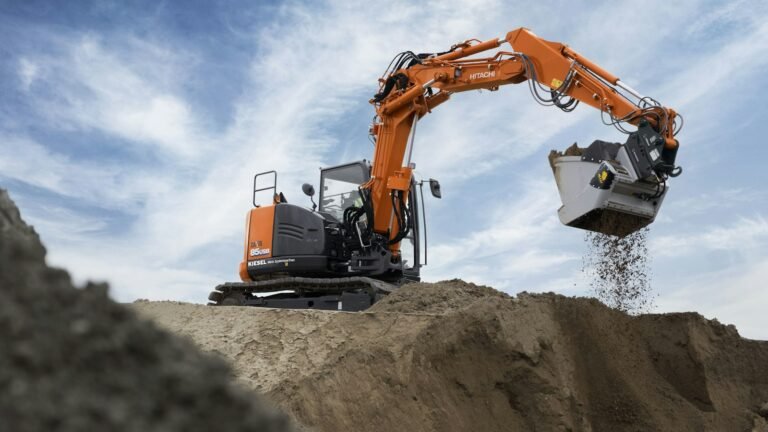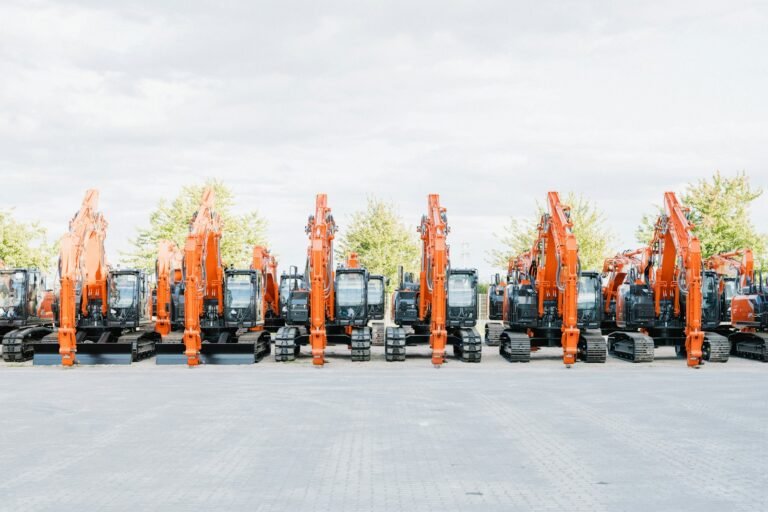
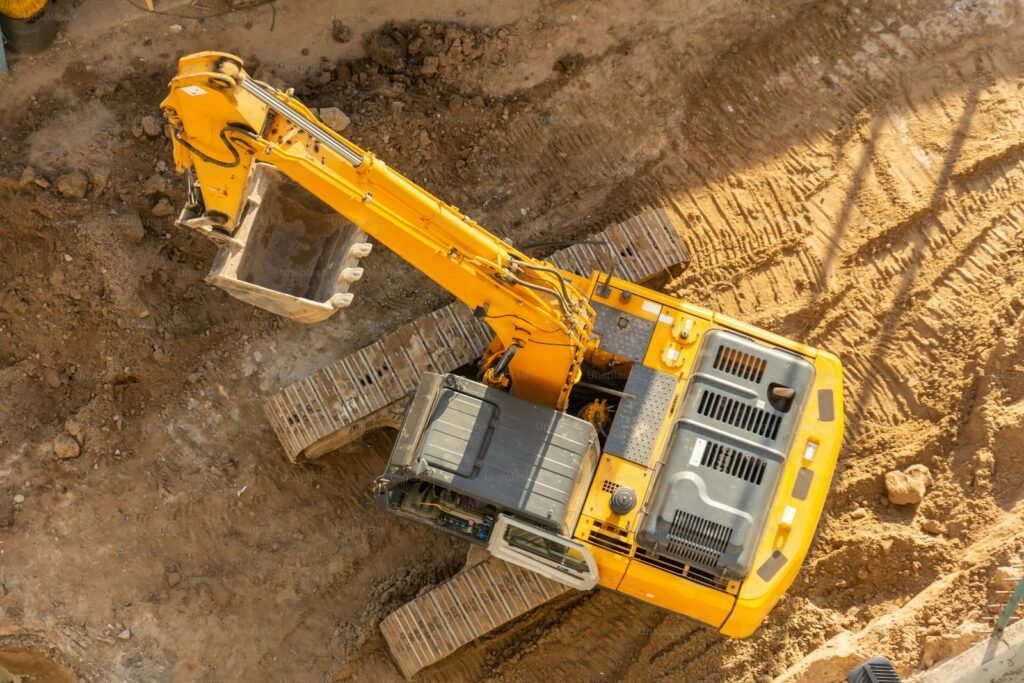
Flex Hire is our subscription-style hire account. You pick one of four tiers, pay a single flat monthly fee, and swap the machine you have on hire for any other machine in your tier as often as your work demands. Servicing is included, you earn a 10% loyalty rebate, and there are no long-term contracts. It suits contractors, landscapers, estates and farms whose kit needs change through the month, and who are tired of juggling separate hires, invoices and delivery bookings.
In this guide
How Flex Hire works, step by step
- Tell us what you do. WhatsApp us with the type of work and the machines you use most. We will recommend a starting tier.
- We deliver your first machine. Kit comes to your site from our Okehampton depot, anywhere across Devon, Cornwall, Somerset and Dorset.
- Swap when the job changes. Message us and we collect one machine and redeliver the next. There is no cap on swaps.
- One invoice a month. Your monthly fee covers the hire and servicing, so you are not chasing a stack of small hire invoices.
Each tier covers one machine at a time. If you regularly need two or three machines on site together, you can hold more than one Flex account, and we can talk about bundled pricing.
The four tiers
Flex Hire tiers are cumulative. Sign up for Tier 3 and you can use anything in Tiers 1, 2 and 3. Tier 4 opens up the whole fleet.
| Tier | Monthly fee | What it adds |
|---|---|---|
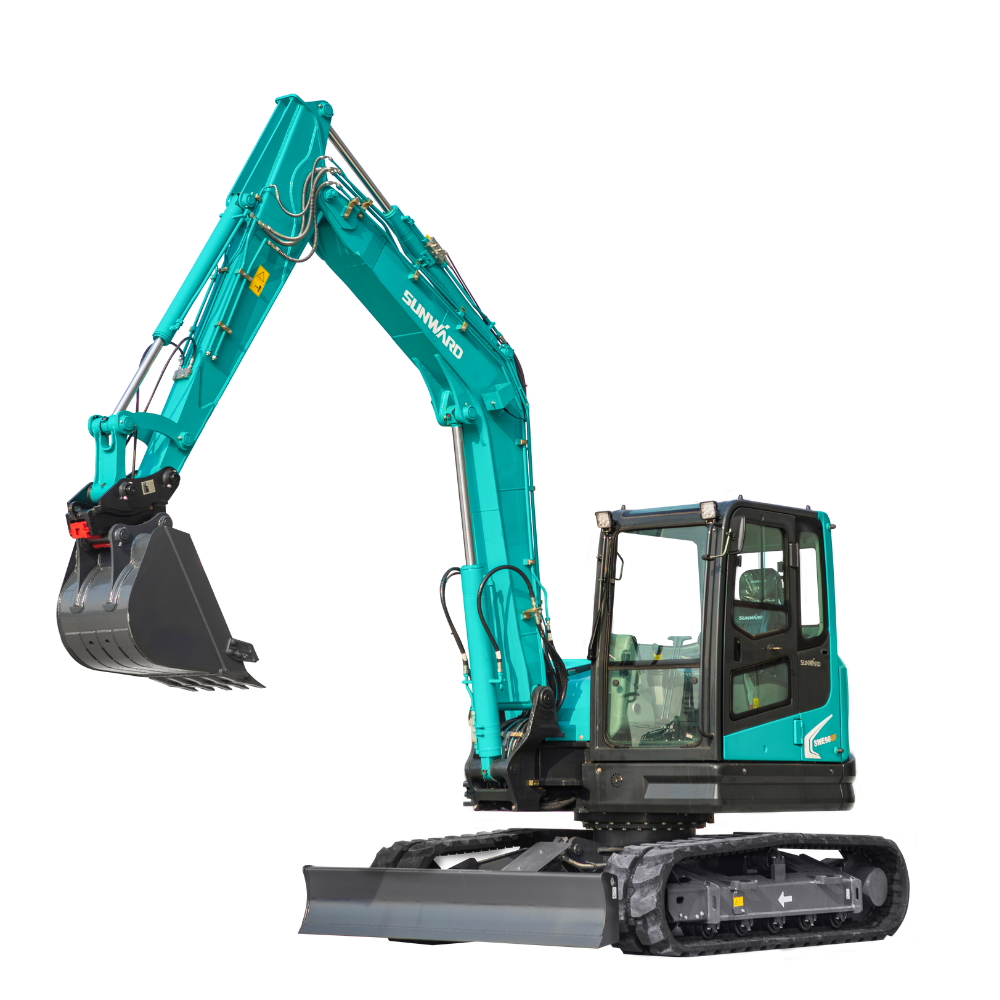
| Tier 1 | £795 +VAT & delivery | Compaction plates, concrete pokers, pedestrian trenchers, floor cleaning, electric mowers, diesel heaters, pallet trucks, 1 tonne excavators with buckets |
| Tier 2 | £895 +VAT & delivery | Crushers, 5″ and 6″ tracked chippers, electric wheeled dumper, 1.8–2 tonne excavators, trench compactors, flat bed trailers |
| Tier 3 | £995 +VAT & delivery | Scissor lifts, electric forklifts, 2.5 tonne excavators, UTVs and 650 quads, 26HP tractor with one implement |
| Tier 4 | £1,495 +VAT & delivery | Full fleet, including pivot loader, telehandler, 4WD tractor, low loader trailer, stone crusher, 6 and 9 tonne excavators |
Exact machine lists can change as the fleet grows, so check the current line-up on our Flex Hire page or ask us before you choose.
How Flex Hire swaps work in practice
Unlimited swaps are the heart of the account, so it is worth knowing what a swap actually involves on the ground.
- Message us with the change. WhatsApp the machine you want next, where it is going and when you need it. If the next job is on a different site, tell us the new postcode and access details.
- We plan the run. Where we can, the lorry that brings your next machine takes the current one away, so you are not left without kit for longer than necessary.
- Have the outgoing machine ready. Clean, fuelled, with buckets and keys together, parked where a vehicle can reach it.
- Check the new machine on arrival. Walk round it with the driver, note any existing marks on the delivery note and confirm the attachments match the job.
Give us as much notice as you can, especially in spring when demand for compact excavators and landscaping kit is high. A swap requested the afternoon before is far easier to arrange than one requested for the same morning.
Four examples in practice
These are illustrations of how the account can be used, not real customers.
A landscaping contractor around Exeter
Spring starts with a cable run to a garden office using a Mak Brent trencher, then a patio base with a Weber MT plate, then a soakaway dig in a small back garden with a 1 tonne Sunward SWE 08B. In summer the work shifts to grass, so the CRAMER electric zero-turn mower comes out for a maintenance contract. In autumn a GL&D chipper deals with hedge and tree work. On Tier 2, every one of those swaps is covered by the same monthly fee.
A small groundworks firm in North Cornwall
A month of footings and drainage on a barn conversion near Launceston needs a 2.5 tonne zero tail Sunward SWE 25UF. The next job is a tight rear garden where a 1 tonne machine is the only thing that will fit through the side passage. Then a scissor lift is needed for a few days of internal fit-out. Tier 3 covers all three without three separate hire agreements.
A farm or estate in mid Devon
Tracks need ripping and regrading in late winter, a stone crusher is wanted for a field that keeps throwing up rock, and the Venieri pivot loader is needed for yard work in between. Tier 4 gives access to the heavier agricultural kit and the 6 and 9 tonne excavators when the bigger jobs come round.
Which tier suits which trade
The table below is a starting point based on the kit each type of business tends to use. Your own mix of work decides the right tier, and we will talk it through with you.
| Type of business | Typical machines | Likely starting tier |
|---|---|---|
| Garden and landscape contractor | Plates, trenchers, 1 tonne excavator, electric mowers | Tier 1, or Tier 2 if chippers and 1.8 tonne machines are regular |
| Small groundworks or drainage firm | 1.8 to 2.5 tonne excavators, trench compactors, wheeled dumper | Tier 2 or Tier 3 |
| Warehouse, facilities or cleaning business | Pallet trucks, floor cleaning, electric forklifts, scissor lifts | Tier 1 for cleaning and pallet trucks, Tier 3 for forklifts and lifts |
| Golf course or sports ground | Electric mowers, 26HP compact tractor with an implement, UTV | Tier 3 |
| Farm, estate or larger contractor | Pivot loader, telehandler, 4WD tractor, 6 and 9 tonne excavators | Tier 4 |
Golf and sports turf customers may also want to look at our sports and landscaping range, home of Hole in One Rentals, and contractors can browse the full construction fleet to see what sits in each tier.
A facilities and cleaning contractor in Plymouth
Most months the work is floor care, so a Eureka scrubber or the Picobello push sweeper covers it on Tier 1. A few times a year a client needs stock moved or high-level lights changed in a unit, which calls for an EP electric forklift or the Sunward 0807DC scissor lift. If those jobs become regular, moving to Tier 3 brings both within the same fee, without separate hire agreements each time.
What is included and what isn’t
- Included: unlimited swaps within your tier, routine servicing, breakdown repair or replacement for equipment faults, collection and redelivery when you swap, and a 10% loyalty rebate.
- Not included: VAT, fuel, damage caused by misuse, and insurance. Hired equipment needs cover for its replacement value, and we refer customers to our partner insurance4plant for plant hire insurance. Fuel is your cost on every machine: kit goes out full and should come back full, and returning it short adds a refuelling charge.
- Operators: hire is self-drive. Anyone using the kit must be trained and competent for that machine.
Ask us how delivery is charged for your site when we discuss your tier, as it depends on location. The aim is one invoice a month that covers the hire and servicing, so you can price your own jobs knowing what your kit will cost, rather than adding up a stack of small hire bills at the end of the month.
Flex Hire vs long-term rental vs ad-hoc hire
| Ad-hoc hire | Long-term rental | Flex account | |
|---|---|---|---|
| Pricing | Per day, week or month | Negotiated, typically 4 months+ | One flat monthly fee |
| Change machine | New hire each time | By agreement | Any time, unlimited |
| Servicing | Handled at return | Included | Included |
| Loyalty rebate | No | No | 10% |
| Best for | One-off jobs | Same kit on one site for months | Varied, ongoing work |
If you need the same 6 tonne excavator on one development for six months, long-term rental will usually give you a better rate. If you rarely hire more than a couple of times a year, ordinary daily or weekly hire is simpler. A Flex account earns its keep when you hire often and the kit keeps changing.
Does Flex Hire save you money? A simple test
The only honest way to answer that is with your own figures. This takes about half an hour with your last few months of invoices.
- List every hire from the last three months: machine, number of days, and the hire company.
- Add the transport. Count every delivery and collection run, because these often add more than people expect on short hires.
- Note the gaps. Were there weeks when you turned work down or delayed a job because a machine was not available, or because a fresh hire was not worth it for half a day?
- Count the admin. How many separate bookings, invoices and payments did you deal with?
- Compare with a tier. Set your average monthly spend against the tier that covers the heaviest machine you use regularly, then allow for the 10% rebate.
If your monthly spend is already close to a tier fee, flex hire is likely to cost about the same while giving you more freedom to swap. If you only hire a few times a year, stick with ordinary daily or weekly hire.
Choosing your starting tier
Start with the heaviest machine you expect to need regularly, not the one you need once a year. If you mostly use compact kit but occasionally want a 9 tonne excavator for a week, it may be cheaper to stay on a lower tier and hire the big machine separately when it comes up. If you find yourself wanting heavier kit every month, moving up a tier makes more sense. We will talk it through honestly when you get in touch.
Moving up or down a tier
Your starting tier is not fixed. If the work grows and you need heavier kit, we can move you up. If a quieter season means you only use compact machines, ask about stepping down. Because each tier includes everything below it, moving up never takes away access to the smaller machines you already rely on.
Your responsibilities on a Flex account
A flat fee covers a lot, but some things stay with you, just as on any self-drive hire.
- Trained operators. Everyone using the machine must be competent for that type of kit. If a swap brings a machine your team has not used before, sort the training first.
- Insurance. Cover needs to suit the most valuable machine in your tier, not just the one you start with. A policy that covers a plate compactor may not cover a 9 tonne excavator.
- Fuel and daily checks. Use white diesel only, and check fuel, oil, water and hydraulic levels each day.
- Security. Keys out at night, machines parked out of sight where possible.
- Underground services. Identify and mark them before any digging, on every site the machine goes to.
- Reporting. Tell us about damage straight away, and in any case within 24 hours.
A year on Flex Hire: a seasonal view
This illustration follows a mixed landscaping and groundcare business in mid Devon on Tier 3 through a typical South West year. It is an example of how the account can flex, not a real customer.
- January and February: wet ground and short days. The account carries a tracked dumper for a drainage job, then an Airrex diesel heater to dry out a client’s outbuilding before fit-out.
- March and April: the busy season starts. A 2.5 tonne Sunward excavator for patio and driveway dig-outs, swapped for a Weber MT plate for the sub-base, then back to a 1 tonne machine for a narrow rear garden.
- May to August: grass and maintenance work. The CRAMER electric zero-turn mower on a maintenance contract, with a UTV for a few weeks on an estate.
- September and October: a GL&D chipper for hedge and tree work, then the 26HP compact tractor with one implement for overseeding a sports pitch after the summer.
- November and December: a trencher for cable runs before Christmas, then a scissor lift for a few days of high-level work inside a barn.
Under ordinary hire, that pattern would mean dozens of bookings, deliveries and invoices across the year. On a Flex account it is one monthly fee, one supplier and a WhatsApp message each time the work changes.
Is it right for you?
Run through these questions:
- Do you hire something most weeks, even if it is a different machine each time?
- Do delivery bookings and small invoices take up admin time you would rather spend on site?
- Would one predictable monthly cost make pricing your own jobs easier?
- Can you plan around having one machine at a time per account?
If you answered yes to most of these, it is worth a conversation. If you answered no to most, that is useful too: ordinary weekly hire or a long-term contract will probably serve you better, and we would rather point you to the right option than sign you up to an account that does not suit the way you work.
Getting the most from your account
Customers who get the best value from flex hire tend to plan a little further ahead than they would with ordinary hire. A few habits help:
- Keep a rolling two-week look-ahead of your jobs and send us likely swaps early.
- Line up swaps with natural breaks in a job, such as the day the dig finishes and the compaction starts.
- Use the account for the jobs you would otherwise have done by hand because a separate hire was not worth it.
- Review your tier every few months. If you never touch the heavier kit, drop down. If you keep hiring bigger machines separately, step up.
For background on how UK plant hire works, see the Construction Plant-hire Association.
Frequently asked questions
How does the 10% rebate work?
Account holders earn a 10% loyalty rebate on their hire. We will go through exactly how it is calculated and credited when you sign up.
Is there a minimum term?
There are no long-term contracts. Accounts run monthly, and we will confirm the notice period and any initial term when we set up your account. Our FAQ page covers the current terms.
What if a machine breaks down?
Call or WhatsApp us. Faults with the equipment are repaired or the machine is replaced as part of the account. Don’t attempt repairs yourself.
Can I have more than one machine at a time?
Each tier covers one machine at a time. If you regularly need two or more on site together, you can hold more than one Flex account, and we can talk about bundled pricing.
How is the 10% rebate paid?
Our FAQ currently describes the rebate as a credit to your account at the end of each quarter, based on your hire spend for that period. We confirm the details when your account is set up.
How do I cancel or change my account?
Accounts run on a rolling monthly basis. Our current FAQ describes an initial term of three months, after which you can cancel with 30 days’ written notice. Check the terms when you sign up, as they may be updated.
Can I use Flex Hire for a one-off project?
It is designed for ongoing, varied work rather than a single job. For one project with fixed kit, ordinary hire or long-term rental usually makes more sense, and we will tell you honestly which fits.
Start a Flex account
Tell us about your work and the machines you use, and we will recommend a tier, usually within the hour during business hours. WhatsApp or call 07841 036064, Monday to Friday 7:30am to 5:30pm, or send us a message through the contact page.