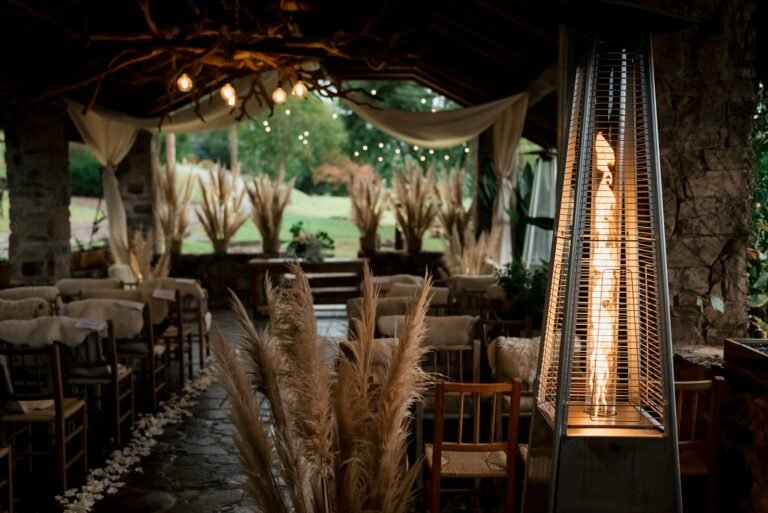
Marquee heater hire Devon-wide is less about luxury than it sounds. Even in June, a clear evening on the coast or high ground near Dartmoor can drop sharply once the sun goes down, and from October to April guests will feel the cold through canvas walls within minutes. We hire three sizes of Airrex indirect diesel heater from Okehampton: the 200i, 300i and 800i. This guide shows how to choose between them, where to put them and what else you need to plan.

In this guide
Why indirect diesel heaters suit marquees
A direct-fired heater burns fuel and blows the combustion gases into the space with the heat. That is fine on a ventilated building site, but not in a tent full of guests. Indirect heaters keep combustion separate, so the warm air reaching the marquee is clean and the fumes are vented outside.
The Airrex i-series is designed for exactly this: clean combustion, no fumes inside the tent and quiet running, which matters during speeches and dinner. The heater sits outside the marquee, with warm air ducted in on models with ducted output.
Marquee heater hire Devon guide: choosing the size
Start with floor area. As a guide, the Airrex 200i suits smaller tents up to about 200m², the 300i medium marquees up to about 500m², and the 800i large event structures and festival tents.
| Heater | Guide coverage | Typical events |
|---|---|---|
| Airrex 200i | Up to about 200m² | Garden parties, smaller wedding marquees, stretch tents, catering tents |
| Airrex 300i | Up to about 500m², ducted output | Medium to large wedding marquees, corporate dinners, village events |
| Airrex 800i | Large structures | County shows, festival tents, corporate pavilions |
To work out area, multiply length by width. A 9m by 18m marquee is 162m², a 12m by 30m marquee is 360m². Then adjust for the factors below. Full details are on our events equipment page.
Factors that push you up a size
- Time of year: a December party needs far more heat than a September wedding.
- Exposure: clifftop and hilltop sites in north Devon, Cornwall and on the moor edges lose heat fast in wind.
- Height and shape: tall frame tents and tipis have more air volume to heat than the floor area suggests.
- Open sides or doors: walls rolled up for a drinks reception, or doors constantly open, let heat out.
- Linked structures: a marquee joined to a catering tent and a chill-out area may need heaters in more than one place.
Guests add warmth once a tent is full, and dancing adds more. Many events are best served by bringing the space up to temperature before guests arrive, then turning heat down as the room fills. A simple thermometer hung at head height near the middle of the tent, away from the duct outlet, tells you far more than guesswork about whether the far end is warm enough. For large or awkward layouts, two smaller heaters can give better spread than one big one.
Where to place the heater
- Outside the tent, on firm, level ground, with the ducting run in through a wall or door panel. Ask the marquee company where they want the duct to enter.
- Away from guest routes, so nobody trips over ducts or cables or touches hot parts.
- Clear of flammables, including tent walls, straw bales, decorations and fuel stores.
- Aim the warm air sensibly, typically low and along the length of the tent rather than at the top table.
- Plan for rain. Keep electrical connections protected and the fuel area tidy on wet grass.
Power and fuel planning
The heaters burn diesel but also need an electrical supply to run their fans and controls. Check whether the venue has a suitable outdoor supply. On a field site with no mains, power can come from a generator such as our Zenessis 25kVA 3-phase towable genset, which can also run lighting and other loads. Tell us everything you need to power and we will check the total.
For fuel, tell us how many hours the heating will run and the expected weather, and we will advise on consumption and whether you will need to top up during the event. Diesel equipment must run on white diesel (DERV) under our fuel policy. Keep spare fuel in labelled containers away from the tent and the public.
Weddings, shows and farm events in Devon
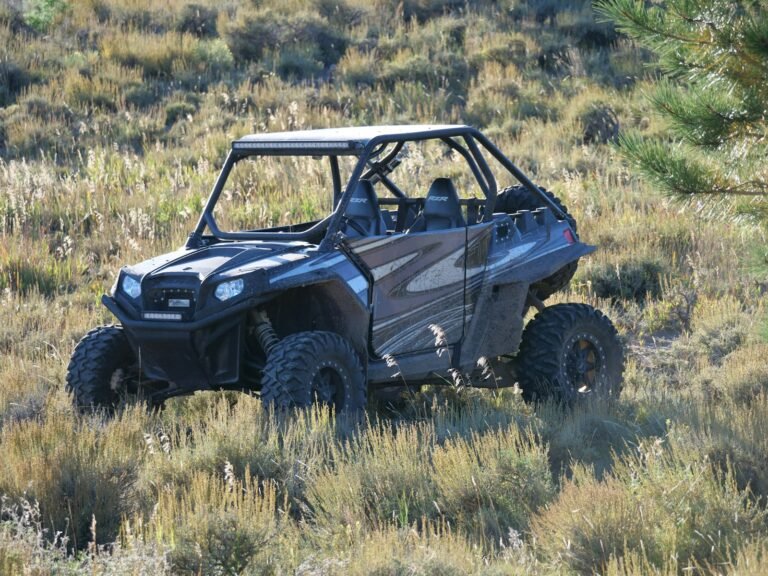
Many Devon weddings and parties now take place in fields and farmyards rather than hotels, and many county and agricultural shows run marquees for exhibitors and hospitality. Farms hosting events can pair heaters with a generator, UTVs for crew and our other agricultural equipment for preparing the field beforehand.
Book heaters early for peak dates. We cover Devon, Cornwall, Somerset and Dorset from our depot near Okehampton, so a venue in north Cornwall or west Somerset is as straightforward as one near Exeter. For marquee heater hire Devon venues and farms book most often, autumn and December are the pinch points. Autumn weekends, Christmas parties and New Year are busy, and so are late spring weddings when the evenings are still cool.
A heating plan for the event day
Heaters work best when someone owns them for the day. Agree with the venue or marquee company who will switch them on, adjust them and check fuel, and make sure that person has read the operating instructions. A simple plan looks like this:
- Morning: confirm the heater and ducting are in place, the power supply is live and the fuel tank is full.
- Two hours or so before guests: start heating, so the tent, tables and floor have time to warm through. Cold furniture and matting soak up heat.
- Drinks and dinner: keep the temperature steady and check that warm air is reaching the far end of the tent.
- Dancing: turn down as the tent fills and warms up, and keep an eye on doors left open.
- Late evening: check fuel before the last hours, so the heat does not stop as the night gets coldest.
Keep our number handy on the day. If anything goes wrong with a hired heater, call or WhatsApp and we will help.
Planning several events through a season, such as a wedding venue or a farm that hosts parties in its field? Ask us about a longer hire or our other options for marquee heater hire Devon-wide, rather than booking one weekend at a time.
Sizing examples for common marquees
These illustrative examples show how the guide coverage figures translate to real tents. They assume a typical frame marquee with walls down. Exposed sites, colder months and taller structures push you towards the next size up or an extra heater.
| Marquee | Floor area | Typical starting point | Notes |
|---|---|---|---|
| 6m × 12m | 72m² | Airrex 200i | Garden party or small catering tent, comfortable margin in spring or autumn |
| 9m × 18m | 162m² | Airrex 200i, or 300i if cold or exposed | Around the top of the 200i’s guide range in cold weather |
| 12m × 24m | 288m² | Airrex 300i | A common wedding size, well inside the 300i’s range |
| 15m × 30m | 450m² | Airrex 300i, or two units for even spread | Near the top of the 300i’s range; a second heater helps at the far end |
| Linked tents or 600m² and above | Large | Airrex 800i, or several smaller units | Shows, festivals and corporate pavilions |
Send us the marquee dimensions, the height and the layout, including any linked catering or bar tents, and we will confirm the best combination for your marquee heater hire Devon booking.
Tipis, stretch tents and sailcloth
Not every event uses a frame marquee. Tipis and sailcloth tents are tall, with a lot of air above head height, and the warm air rises into the peak. Stretch tents are often used with open sides. In each case floor area understates the heating job, so treat the guide figures as a minimum. Ask the tent supplier how the structure can be closed up in the evening and where a duct can enter, and send us photos or a drawing if you have them.
Fire and carbon monoxide safety
Indirect heaters are designed to keep combustion products out of the tent, but they still burn diesel and get hot. A few precautions keep guests and staff safe.
- Keep the exhaust clear of the tent. Position the heater so its flue gases blow away from doors, windows, air intakes and guest areas, and never let the exhaust point into the marquee.
- Respect clearances. Follow the manufacturer’s guidance on space around the heater, and keep tent walls, linings, bales and decorations away from hot surfaces.
- Fit a carbon monoxide alarm inside larger or enclosed structures. It costs little and gives early warning if anything goes wrong.
- Keep fire extinguishers suitable for fuel and electrical fires near the heater and fuel store, as your marquee supplier or venue advises.
- Protect the power supply. Use outdoor-rated cable and connectors, routed away from walkways. HSE’s guidance on electrical safety at events covers siting equipment away from the public.
- Do not refuel while running. Switch off and let the heater cool, and refuel away from guests.
- Never put a direct-fired or open-flame heater inside a marquee.
Your marquee company and venue may have their own rules on heaters, so share our heater details with them early. This is general information, so check the operating instructions and any venue conditions.
A season-by-season guide for Devon events
Devon’s weather varies a lot between the coast, the moors and sheltered valleys, but this gives a sense of when heating moves from optional to essential.
| Months | Typical need | Planning tip |
|---|---|---|
| April to May | Heating often needed in the evening | Cool nights after warm days catch people out. Book heat for late spring weddings. |
| June to August | Sometimes needed after dark, especially on the coast and high ground | Have a heater on standby for exposed sites, or plan heat for the late evening only. |
| September to October | Usually needed from late afternoon | A busy time for weddings and harvest events. Book early. |
| November to March | Essential throughout | Allow more warm-up time, a bigger unit or an extra heater, and more fuel. |
Working with your marquee company and venue
Heaters work best when everyone involved knows the plan. These are the details your marquee supplier, venue and caterer will want, and the ones we need when you book:
- Marquee size, height and layout, including linked tents and where the dance floor, top table and bar sit.
- Where the duct can enter, through a wall panel or door, and where the heater can stand outside on firm, level ground.
- Power available, whether there is a suitable outdoor supply or the heater will run from a generator.
- Event timings, including set-up, guest arrival, speeches and finish time.
- Who will operate the heater on the day, and how to reach them.
- Delivery access, including lane widths, gateways and any soft ground on a field site.
If you are also hiring the generator, UTVs or ground equipment, put them in one enquiry. Our events range is built around this kind of package.
What affects the cost of marquee heater hire in Devon
We do not publish prices. WhatsApp us for a current quote. These are the main factors:
- Heater size and number: one 200i for a small tent, or several units for a large site.
- Hire period: a single event, a long weekend or a whole season.
- Delivery and collection: quoted separately, based on distance from our depot near Okehampton. Weekend delivery may carry an extra charge.
- Fuel: heaters arrive full and should go back full. Fuel used is the hirer’s cost.
- Power: whether you also need a generator.
- Insurance: not included automatically, so check your event insurance covers hired equipment.
Venues hosting events most weekends through the autumn and winter may find a long-term rental works out simpler than booking marquee heater hire event by event.
Common mistakes with marquee heating
- Switching on as guests arrive. Cold furniture, matting and canvas soak up heat. Start well before, so the space is warm when people walk in.
- Sizing on floor area alone. Height, exposure and open sides all change the answer.
- Forgetting the power. A diesel heater still needs electricity. Check the supply before the day, not on it.
- Running short of fuel. The coldest part of the night is usually the end of the party. Check the tank in the early evening.
- Blowing hot air at the top table. Aim the duct low and along the tent, so heat spreads rather than cooking one end.
- Booking too late. Peak dates for marquee heater hire Devon-wide go early, especially in autumn and December.
Most of these come down to one thing: planning the heating as part of the event rather than an afterthought. A short call with your marquee supplier and with us a few weeks out avoids nearly all of them.
Delivery, handover and collection
For weekend events, heaters are usually delivered in the days before, so the marquee team can position the heater and run the ducting while they finish the build. Tell us where the heater needs to go and who will be on site to receive it and sign the delivery note.
At handover, make sure the person who will run the heater knows how to start it, adjust it, check the fuel and shut it down safely. Keep the operating instructions with the heater, along with our number and the location of the fuel store and fire extinguishers, so anyone covering for the operator later in the evening can find everything quickly.
After the event, switch off, let it cool, and leave it where our vehicle can reach it. Then call or WhatsApp us to off-hire, as hire charges run until the off-hire is confirmed. Our hire FAQs explain payment, delivery and returns in more detail.
For wider event planning duties, see HSE’s event safety guidance.
Frequently asked questions
Are diesel heaters safe inside a marquee?
Indirect heaters like the Airrex i-series keep combustion fumes out of the tent. They should still be sited outside with ducting in, kept clear of flammable materials and used in line with the operating instructions.
Can heaters run overnight for a camping event?
Talk to us first about the run time, fuel and who will supervise. Unattended overnight running needs careful planning.
Will a heater be noisy during speeches?
The Airrex heaters are designed for quiet operation, and placing them outside the marquee keeps noise down further. Turn them down during speeches if needed.
How far in advance should I book marquee heaters?
For peak autumn, Christmas and late spring dates, book as early as you can. We recommend at least 24 to 48 hours’ notice for any hire, but popular weekends fill well before that.
Do the heaters need mains electricity?
They need a power supply for their fans and controls. That can be a suitable outdoor supply or a generator such as our Zenessis 25kVA.
Can one heater serve a marquee and a separate catering tent?
Usually it is better to heat each space separately, as ducting long distances loses heat. Tell us the layout and we will suggest a plan.
Can heaters be used in a barn or farm building for an event?
Often, yes, as long as the heater stands outside with warm air ducted in and its exhaust well away from doors and openings. Old barns can be draughty, so allow for more heat than the floor area suggests, and check the venue’s own rules on heating and fire safety.
Book marquee heaters for your Devon event
WhatsApp or call 07841 036064 (Monday to Friday, 7:30am to 5:30pm) with your marquee dimensions, venue postcode, event date and the power available. We will recommend the right heater and give you a current quote. For written quotes, use our contact page.