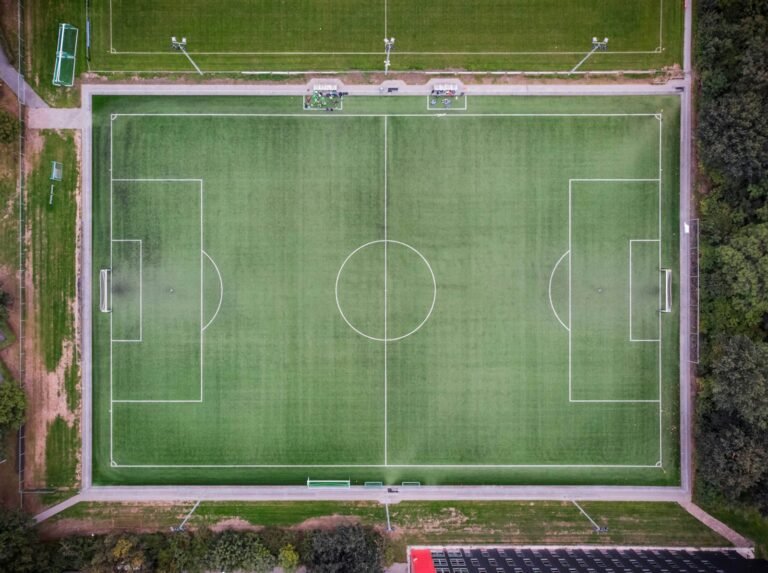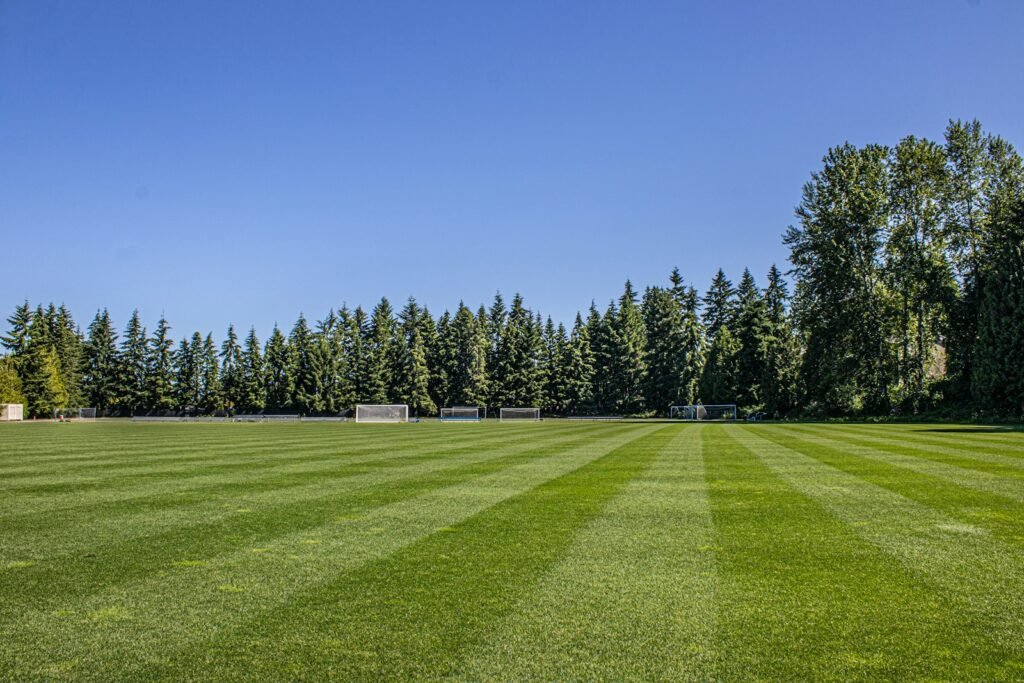
Overseeding puts new grass seed into an existing sward without ploughing it up, so a thin pitch, tired lawn or poached paddock thickens up within a season. For overseeder hire we supply the Conagri MEGA 1m tine overseeder, a tractor-mounted unit with a 1m working width that suits sports grounds, estates, smallholdings and larger gardens. This guide covers when to overseed in the South West, how to prepare, and how to get seed to germinate rather than feed the birds.

In this guide
What a tine overseeder actually does
Broadcasting seed by hand or with a spreader leaves most of it sitting on the surface. A tine overseeder works the top of the soil as it seeds, so more seed ends up in contact with soil, where it can take up moisture and root.
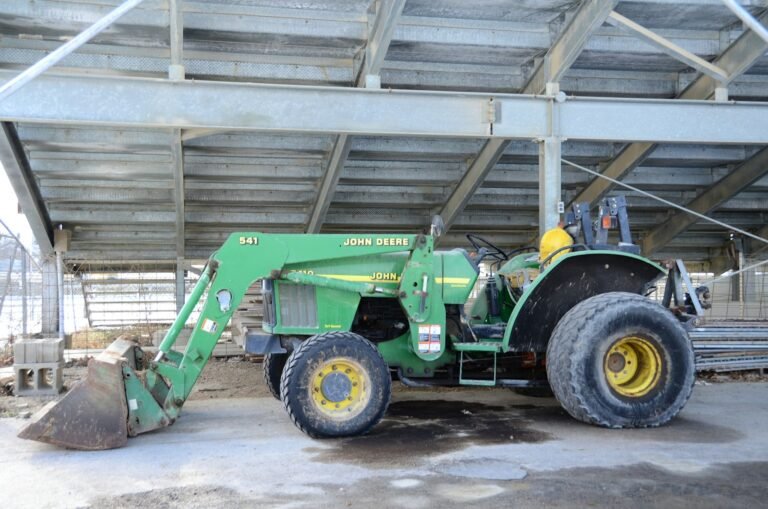
The 1m width is a practical size. It is narrow enough to work around goalposts, along fence lines and between trees, yet still covers a pitch or a paddock in a sensible time. Being tractor mounted, it runs off the three-point linkage, so you need a compact tractor or similar. If you do not have one, our Captain 26HP compact tractor can be hired with it; ask us to confirm the pairing for your ground.
Where overseeding pays off
- Sports pitches at the end of the season, especially goalmouths, centre circles and touchlines.
- Golf course fairways, approaches and walk-off areas worn by buggies and foot traffic.
- Horse paddocks that have been poached over winter around gateways and feeders.
- Grazing on smallholdings where the better grasses have thinned and weeds have moved in.
- Domestic lawns and estate grounds that are patchy after building work, drought or moss treatment.
When to book overseeder hire: soil temperature and timing
Seed needs warmth and moisture together. Most turf and pasture grasses germinate reliably once soil temperature is consistently around 8–10°C or above, and they do best with steady moisture for the following few weeks.
| Window | Why it works | Watch out for |
|---|---|---|
| Late August to early October | Soil still warm from summer, autumn rain arriving, less weed competition | Leave enough time for seedlings to establish before the first frosts |
| April to May | Soils warming, long days | Dry spells in late spring mean you may need to irrigate |
| Summer | Warm soil | Drought kills young seedlings unless you can water |
| Winter | Not recommended | Cold soil, very slow germination, seed rots or gets eaten |
Devon and Cornwall’s mild autumns are a real advantage. Soils near the coast often stay warm enough for seed to strike later than in much of the UK. Inland and on higher ground around Dartmoor and Bodmin Moor, it cools sooner, so aim for the earlier part of the autumn window. A cheap soil thermometer takes the guesswork out of it.
Overseed straight after aeration
The best results come when you open the surface first. Aerating relieves compaction and leaves holes or slits that catch seed and hold moisture. For sports turf and golf, a common sequence is:
- Scarify or rake out thatch and dead material if the surface is matted.
- Aerate with our Selvatici drainage aerator or Negri pedestrian aerator.
- Overseed with the MEGA tine overseeder, working in two directions on badly worn patches.
- Feed with a suitable pre-seed or autumn fertiliser using the MEGA 500kg spreader.
- Topdress or roll lightly if your surface calls for it, to improve seed-to-soil contact.
- Keep traffic off while seedlings establish, and mow high for the first cuts.
Aftercare decides whether the job works. Keep the surface moist for the first few weeks; in a dry autumn spell that may mean irrigating sports turf or lawns. Make the first cut only when the new grass is a few centimetres taller than your normal cutting height, with sharp blades and the mower set high, so you trim rather than pull the seedlings.
Hold off on heavy rolling, matches or grazing until the new plants have tillered and rooted. Expect a patchy look at first: seedlings in the slits and holes come through in rows, and the sward knits together over the following weeks.
On paddocks, the aeration step may not be needed every year, but harrowing out dead grass and moss first gives the overseeder a cleaner surface to work into.
Choosing the right seed
The overseeder only does half the job. Match the mix to the use: hard-wearing ryegrass blends for winter sports, finer fescue and bent mixes for golf greens and ornamental lawns, and grazing or horse paddock mixes for livestock. Your seed supplier will give a recommended sowing rate. Overseeding rates are usually lower than for a new seedbed, but worn areas may justify a second pass.
If you are seeding bare, stony ground rather than thickening up existing grass, a stone burier is often the better tool. Our MEGA 1.25m stone burier with overseeder prepares a fine seedbed and sows in one operation.
Practical tips from the hire desk
- Mow the existing grass short before overseeding so the new seed is not shaded out.
- Do not overseed and apply a selective weedkiller at the same time. Check the product label for the gap required.
- Calibrate on a measured strip before seeding the whole area.
- Book the overseeder and aerator for the same week so the surface is still open when you seed.
- Paddocks: take horses or stock off and keep them off until the new grass is well rooted.
Golf clubs and sports grounds can find more groundscare kit on our sports and landscaping page. Farmers and smallholders should also look at our agricultural machinery, including toppers and tractors.
Calibrating the overseeder before you sow
Seed is often the most expensive part of the job, so it pays to check the machine is putting down the rate you intended. Calibration takes about twenty minutes and needs nothing more than a tape measure, some scales and a bucket.
- Work out your target. Take the sowing rate from your seed supplier, usually given in grams per square metre or kilograms per hectare, and decide whether you are overseeding lightly or heavily.
- Mark a test strip. With a 1m working width, a 50m run covers 50 square metres, which keeps the arithmetic simple.
- Weigh some seed into the hopper, or weigh the hopper contents before and after if that is easier.
- Run the strip at the forward speed you will use for the real job.
- Weigh what is left and work out how much went down. Divide by 50 to get grams per square metre.
- Adjust and repeat until you are close to the target. Note the setting so anyone else using the machine can match it.
Run calibration on the same ground you will be seeding, not a tarmac yard. Wheel slip and surface conditions affect how a ground-working machine meters seed, and the yard will give you a misleading answer.
Worked example: overseeding a tired horse paddock
The following is an illustrative plan for a one-acre paddock near Okehampton that has been poached over winter, with bare gateways and a lot of weeds along the fence line. One acre is roughly 4,000 square metres, so a single pass with a 1m overseeder is about 4km of travel, plus turns. A sensible plan looks like this:
- Move the horses off to another field and plan to keep them off until the new grass has rooted and been cut or grazed lightly once.
- Deal with weeds first. Pull or spray as appropriate, checking the product label for how long you must wait before sowing.
- Top or mow the existing grass short, so the new seed is not shaded.
- Harrow to pull out dead grass and moss and to level the worst hoof marks.
- Fill poached gateways with a little topsoil, then firm them.
- Overseed the whole paddock in one direction, then make a second pass across the bare gateways and feeding areas.
- Roll lightly if the surface is loose, to press seed into the soil.
- Rest the paddock while seedlings establish, keeping an eye on moisture in a dry spell.
Done in early September, this kind of job can be completed in a single day with a compact tractor, leaving the rest of a weekly overseeder hire free for a second paddock or a neighbour’s field.
End-of-season pitch renovation: an example plan
Winter sports pitches are usually renovated once the last fixture is played in spring, so the new grass has the summer to establish. Using the same overseeder hire, a typical plan for a single football or rugby pitch might be:
| Stage | Task | Notes |
|---|---|---|
| Week before | Order seed, fertiliser and any topdressing; book kit | Hard-wearing ryegrass blends are the usual choice for winter sports |
| Day 1 | Mow short, scarify or harrow worn areas, clear debris | Goalmouths and centre circle need most work |
| Day 2 | Aerate, then overseed the whole pitch | Extra pass across worn areas |
| Day 3 | Feed with a pre-seed fertiliser; topdress if planned | MEGA 500kg spreader suits pitch-sized areas |
| Following weeks | Irrigate in dry spells, first cut high, keep play off | Summer training on a different area if possible |
If your club has two or three pitches, book the overseeder for a full week and stagger the work. The tractor and overseeder can move straight from one to the next without another delivery.
Local conditions across the four counties
The South West is not one climate. Where your ground sits makes a real difference to when overseeder hire makes sense and how the job goes.
Coastal Cornwall and south Devon
Mild air off the sea keeps soils warm well into autumn, so you can often sow later here than inland. The trade-off is wind: exposed cliff-top pitches and caravan park lawns dry out quickly, and seed on the surface can blow. Rolling after sowing and irrigating in a dry spell matter more on the coast.
Dartmoor, Exmoor and Bodmin Moor fringes
Higher ground cools sooner and gets more rain. Thin, acidic soils over granite or slate are common, and many paddocks benefit from a soil test before you choose seed and fertiliser. Aim for the early part of the autumn window.
Mid and north Devon clays, and the Somerset Levels
Heavy, slow-draining soils stay wet for long periods. The risk here is working the ground when it is too wet, which smears the surface and leaves wheel marks. Wait for a few dry days so the tractor travels without rutting.
Dorset chalk and limestone
Free-draining, often alkaline soils warm quickly in spring but can be drought-prone in summer. Spring sowings need watching closely if May turns dry.
Mistakes that waste seed
- Sowing too late. Seed sown as soils cool in late October may sit dormant, rot or be eaten. On higher ground in Devon, aim for September.
- Seeding into thick thatch. Seed lodged in a spongy layer above the soil dries out and dies. Scarify first.
- Going too deep. Grass seed is small and needs to be near the surface. Burying it deeply delays or prevents emergence.
- Letting the surface dry out. Young seedlings have tiny roots. A week of sun and wind in September can undo the job if you cannot water.
- Mowing too soon or too low, which pulls seedlings out of the ground.
- Applying weedkiller at the wrong time. Many selective herbicides harm new seedlings or need a gap before and after sowing. Always read the label.
- Letting traffic back on early, whether players, horses, sheep or the household dog.
- Using old or badly stored seed. Seed kept in a damp shed loses viability. Buy fresh for the job, store it dry and off the floor, and check the date on the bag.
Birds are the other common complaint. Seed in good contact with the soil is far less exposed than seed lying on top, which is one more reason to use a tine overseeder rather than broadcasting, and to roll lightly where the surface allows.
Tractor safety with mounted implements
Most incidents with small tractors and implements happen when someone gets off to adjust, clear or hitch something. The HSE promotes a simple Safe Stop procedure before anyone leaves the seat or approaches a machine: handbrake on, controls in neutral, engine off and key out. Build it into every stop.
- Lower the overseeder to the ground before leaving the tractor, so it cannot drop unexpectedly.
- Never stand between the tractor and the implement while the linkage is being operated.
- Check that the linkage pins and lynch pins are in place at the start of each day.
- On slopes, keep the heavy end uphill as the tractor manual advises, and be cautious on wet banks.
- Make sure whoever drives is trained and confident with the tractor. Hire is self-drive, so the hirer is responsible for operator competence.
What affects the cost of overseeder hire
We quote every job individually rather than publishing hire rates. The main factors are:
- Whether you need a tractor. Hiring the Captain 26HP compact tractor with the overseeder is a second item; using your own keeps the cost down.
- Hire length. One paddock may need a day, a run of pitches a week. Weekly rates generally work out better per day.
- Delivery distance from our depot near Okehampton. Transport is quoted separately.
- Extra kit on the same delivery, such as an aerator or fertiliser spreader, which shares the transport.
- Insurance. It is not automatically included. Many farms and clubs already have hired-in plant cover; check your policy.
For grounds teams who need groundscare kit month after month, Flex Hire gives one flat monthly fee with swaps and servicing included and no long-term contract.
On delivery, someone needs to be there to sign for the kit and agree its condition, and at the end of the hire the overseeder should come back clean, with any unused seed emptied from the hopper. Hire charges run until you have an off-hire reference from our hire desk. Our hire FAQ page covers payment, delivery and off-hire in more detail.
For turf renovation advice and training, the Grounds Management Association is a useful starting point.
Frequently asked questions
What tractor do I need for the MEGA 1m overseeder?
A compact tractor with a three-point linkage. We can hire it with our Captain 26HP compact tractor. If you are using your own tractor, send us the make and model so we can confirm it is suitable.
How long does overseeded grass take to come through?
Ryegrass can show within a week or two in warm, moist soil. Fescues and bents are slower. Cold or dry conditions slow everything down, which is why timing matters.
Can I overseed a paddock with horses still on it?
It is best not to. Hooves bury or uproot young seedlings and graze them before they establish. Rest the area until the new grass is well rooted.
Is overseeder hire worth it for a domestic lawn?
For a large lawn or paddock, yes, it gives a much better strike than broadcasting by hand. For a small garden lawn, a rake and a handheld spreader may be all you need.
Should I aerate before overseeder hire, or is overseeding alone enough?
On compacted sports turf, aerating first gives much better results because it opens the surface and helps water and roots move down. On a paddock or lawn that is not compacted, overseeding alone after a good harrow or scarify is often enough.
Do I need to roll after overseeding?
A light roll can improve seed-to-soil contact on loose or fluffy surfaces. Avoid heavy rolling on wet clay, which compacts the soil you have just worked.
Can I overseed in spring instead of autumn?
Yes, from about April once soils warm up. Spring sowing works well for pitches after the season, but dry spells in May and June mean you need a plan for watering.
Book your overseeder hire
WhatsApp or call 07841 036064 (Mon–Fri, 7:30am–5:30pm) with the area size, your site postcode, dates and whether you need a tractor. For written quotes or account set-up, use our contact page or email info@conagri.co.uk.