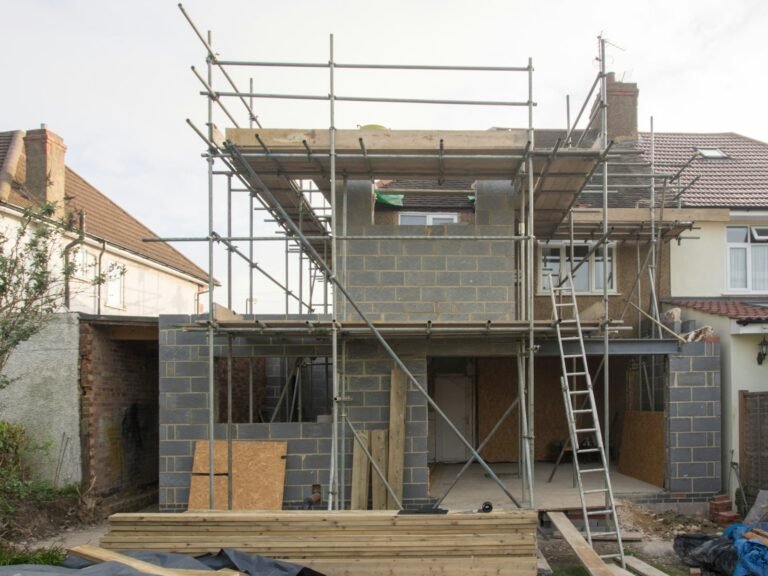
Renovations generate dust, and dust gets into everything. The simplest form of storage during renovation is a lockable, weatherproof unit parked on your own drive, so your furniture is out of the way of the builders but still a few steps from the front door. Our exclusive Hiway Storage BV126 does exactly that across Devon, Cornwall, Somerset and Dorset. This guide compares it with the alternatives and covers sizing, siting and packing.

In this guide
Your options for storage during renovation
There are three common approaches, and each suits a different kind of project.
| On-drive mobile storage | Self-storage unit | Pile it in one room | |
|---|---|---|---|
| Access to your things | Whenever you like, on your drive | During the facility’s opening times, a drive away | Immediate, but often buried |
| Moving day effort | Load at your own pace | Van hire or removals, both ways | Shuffling between rooms |
| Dust and damage risk | Low, outside the work area | Low | High, especially near knock-throughs |
| Space for the builders | Frees up the house | Frees up the house | Loses a room |
| Best for | Most whole-house and multi-room projects | Long projects with no drive space | Small, single-room jobs |
The right storage during renovation depends on the scale of the work. For a kitchen refit or redecorating one bedroom, moving things into another room is often enough. Once you are rewiring, replastering, replacing floors or knocking walls through, getting furniture out of the house altogether is usually worth it.
Planning storage during renovation, room by room
Most renovations move through the house in stages, and your storage plan can follow the same order. Sit down with your builder’s programme and work out which rooms are affected, when, and what needs to come out of each.
- Rooms being gutted: anything having floors lifted, ceilings replaced, walls knocked through or full rewiring needs emptying completely. These go into storage first.
- Rooms on the dust route: hallways, stairs and landings that trades walk through all day. Remove rugs, pictures and delicate furniture, and protect what stays.
- Rooms you are living in: keep the essentials here, and plan to swap items in and out of storage as the work moves round the house.
- The last room: often the room you have been living in is renovated last. Leave space in the unit for its contents.
Before the work starts, check whether any of it needs building regulations approval. Structural alterations, new windows and much electrical work fall under building regulations, and the GOV.UK guidance on building regulations approval explains when you need it. Approvals and inspections affect your timeline, and therefore how long you need storage.
How on-drive storage works
- We deliver: the unit is brought to your property and sited on your drive. You don’t need a towbar; we move it for you.
- You load: the rear ramp makes it easy to wheel in sofas, wardrobes and boxes. Take as long as you need.
- Lock it: the unit is lockable and weatherproof, so it can sit on the drive for as long as the project runs.
- Or we take it away: if you’d rather not have it on the drive, we can collect it and store it securely, GPS-tracked and with tamper-evident seals supplied.
- Unload when ready: when the dust has settled, unload straight back into the house, or call us and we’ll redeliver.
What happens on delivery day
Our driver brings the unit to your property and positions it on the drive, using the space you have agreed with us. Be there to show the driver exactly where you want it, check the doors and ramp open fully in that position, and collect the packing supplies you ordered. Ask any questions about locking and access at this point. If the spot you had in mind turns out to be too soft, steep or tight, the driver will talk through an alternative with you rather than force it in.
No planning permission is needed for siting the unit on your drive. Hire runs from days to months, so you’re not tied into a fixed term if the build overruns. See the details on our trailers and mobile storage page.
Will everything fit?
The Hiway Storage BV126 is 12ft long, 6ft wide and 7ft high, with a 3,500kg gross vehicle weight. That is a useful, walk-in sized space of roughly 500 cubic feet by those dimensions, although the usable space inside will be a little less once you allow for the walls and doors. How much fits comes down to the furniture and the packing, so send us a list if you are unsure. How much goes in depends far more on how you pack it than on the number of rooms, so a few minutes of planning helps.
- Measure your largest items (sofa, wardrobe, dining table) and check they will go through the rear doors.
- Take beds, tables and flat-pack units apart, and bag the fixings with labels.
- Stand sofas and mattresses on end where safe, wrapped in blankets.
- Use uniform boxes so you can stack them to the roof.
- If you’re unsure whether one unit will be enough, send us a list or photos and we’ll give you an honest view.
Illustrative example: refurbishing a bungalow
This is a made-up example to show how it can work. A couple in Torquay are having their two-bedroom bungalow rewired, replastered and fitted with new flooring throughout over roughly six weeks. Because every room is affected, they cannot simply move furniture from room to room.
- Week before: the Hiway Storage BV126 is sited on the drive. They take the beds and dining table apart, pack books and ornaments into boxes and load the larger furniture using the rear ramp and sack barrow.
- During the work: they stay with family, but pop back to collect clothes and paperwork from the unit when needed.
- New flooring delivered: boxes of flooring are stacked inside the unit near the door until the fitter is ready, keeping them dry and flat.
- After the work: once the plaster has dried and the floors are down, they bring furniture back room by room, starting with the bedroom.
Had the bungalow had no drive, the alternative would have been to have the unit collected and stored securely for them, then redelivered when the work finished.
Siting the unit on your drive
The unit needs a reasonably level, firm spot with enough room for our driver to manoeuvre it in. Many homes in Devon and Cornwall have steep drives, tight turns off narrow lanes or shared access, so tell us about yours when you enquire. A photo of the drive from the road is ideal. Think about where the builders’ skip, materials and vans will go too, so the storage unit doesn’t block them in.
If you rent your home or share a drive with neighbours, have a word with your landlord or neighbours before the unit arrives. It avoids awkward conversations when a 12ft unit appears across a shared turning space. Leave room to open the rear doors and lower the ramp fully, and keep a clear route between the unit and your front door so loading is quick and safe.
Siting on the public road is a different matter and may need permission from the highway authority, so we always aim to place the unit on your property or a location of your choice off the highway.
Packing for a few weeks or a few months
We supply packing blankets, boxes, tape, sack barrows and tie straps, so you don’t need to source them yourself. A few tips for longer storage:
- Make sure everything is clean and dry before it goes in; damp items can cause mould in a closed space.
- Load heavy items low and against the walls, and strap tall pieces so they can’t topple.
- Keep a clear path to the things you might need during the project.
- Leave a small gap between furniture and the walls for air.
- Keep valuables, documents, medicines and anything you’ll need daily in the house with you.
- Don’t store fuel, gas bottles, paint thinners or food.
Labelling and keeping an inventory
Label every box on the side as well as the top, with the room it came from and a short note of the contents, so you can read labels when boxes are stacked. Number the boxes and keep a list on your phone. Put the items you are most likely to need during the work, such as seasonal clothes, school things or tools, at the front by the doors. Take photos of furniture before wrapping it; they help when reassembling flat-pack units and as a record of condition.
It’s also worth checking with your home insurer that your contents are covered while stored in a unit on your property or off site.
Keeping things dry through a West Country winter
Devon and Cornwall are mild but damp, and a closed unit through a wet winter needs a little care to keep contents in good condition. The Hiway Storage unit is weatherproof, so rain stays out; the risk comes from moisture already in the things you load.
- Load on a dry day where possible, and don’t leave items standing on a wet drive while you load.
- Dry out anything washed, such as rugs, curtains and cushions, fully before it goes in.
- Avoid plastic wrap on wooden furniture for long periods, because it traps moisture against the surface. Use breathable blankets instead.
- Raise items off the floor on pallets or boards if you are storing for months.
- Visit occasionally and open the doors on a dry, breezy day to let air through.
- Keep electronics and important papers in the house or in sealed boxes.
Security and peace of mind
Leaving furniture outside can feel uneasy, so it is worth understanding the security options. The unit itself is lockable, and on your own drive it sits where you and your neighbours can see it. Use a good-quality lock and keep the key somewhere safe, not in the house with the builders.
If you would rather it was not left on the drive, we can collect the loaded unit and store it securely for you. Stored units are GPS-tracked and supplied with tamper-evident seals, so you can be confident nobody has opened it between moves. Either way, keep a simple list or photos of what is inside; it helps with unpacking and with any insurance claim. Check your home insurance too, as policies vary on cover for belongings stored outside the house or off site.
Not just furniture: storing new fittings and materials
A storage unit on the drive is also useful for the new things arriving for the project. Kitchen units, bathroom suites, flooring, doors and boxes of tiles are often delivered well before the fitter is ready, and leaving them in a dusty room or a damp garage risks damage. Keeping them locked and dry outside means they stay clean until the day they are needed, and they don’t get knocked about by trades working around them.
Holiday lets and rental properties
Many holiday lets in Devon and Cornwall are refurbished in the quieter winter months between seasons. On-drive storage suits this well: furniture, linen and kitchen equipment come out of the property for the works, stay on site, and go back in time for the first bookings. Landlords refurbishing between tenants can use the same approach, and the unit also makes a secure store for new fittings delivered before the trades arrive.
Moving back in
Resist the urge to unload the moment the last trade leaves. Fresh plaster and screed release a lot of moisture, and new paint needs time to harden. Give rooms a thorough clean and let them air before carrying furniture back in, and bring things back room by room rather than all at once.
Ask your plasterer or flooring fitter how long their work needs before furniture goes back; heavy pieces on a screed or a newly laid floor too early can leave marks that won’t come out. If you need the unit for an extra week while the house dries out, just ask us to extend.
When to book storage during renovation
Book the unit for a few days before the builders start, so you can clear rooms without a deadline looming. Renovations often run longer than planned, so choose a flexible hire period rather than a tight one, and let us know early if you need to extend.
Spring and summer are busy times for both renovations and house moves, so contact us as soon as your builder confirms a start date. If the start slips, as it often does, tell us and we’ll move the delivery to suit.
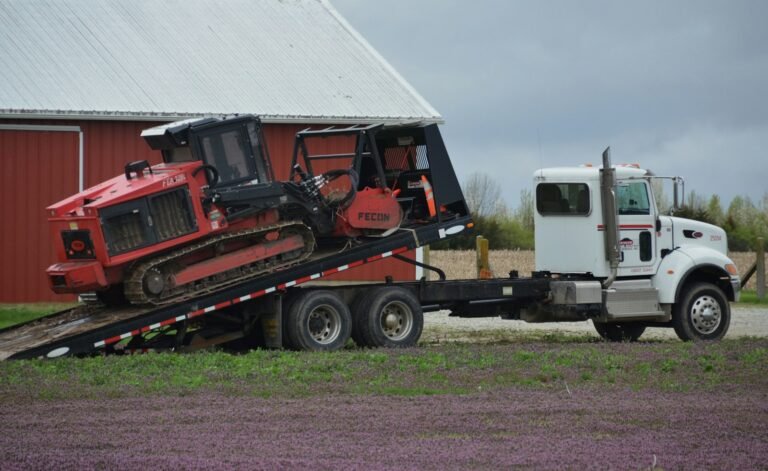
If you’re building an extension or doing groundworks at the same time, we can also supply the mini diggers, dumpers and mixers from our construction range and deliver them together where it makes sense. Good storage during renovation is one less thing to think about while the builders are in.
What affects the cost and the hire period
We don’t publish prices for Hiway Storage, because the figure depends on your project. WhatsApp us for a current quote. These are the factors that shape it, so you can plan sensibly.
- Length of hire: from a few days to several months. Build in some slack, because renovations rarely finish early.
- Where you are: delivery and collection are based on distance from our depot near Okehampton.
- On the drive or stored for you: having us collect, store and redeliver the unit involves extra moves.
- Number of moves: a single delivery and collection costs less than several relocations during the project.
- Other kit: if you are also hiring machines for the build, combining deliveries can reduce transport costs.
When comparing with self-storage, remember to add the hidden extras on that side: van hire or removal men both ways, fuel and time driving to the facility, and the limits of its opening hours. For many households, the convenience of having belongings a few steps away is what decides it.
Planning bigger changes to your home? The Planning Portal explains when you need permission.
Frequently asked questions
Do I need planning permission for a storage unit on my drive?
No planning permission is needed for siting a Hiway Storage unit on your drive.
Is on-drive storage secure?
The unit is lockable and weatherproof. If we store it for you, it is GPS-tracked and sealed with tamper-evident seals.
Can I get into the unit during the renovation?
Yes. It is on your drive, so you can get to your things whenever you like.
How long can I keep it?
Anything from a few days to several months. Tell us your expected timeline and we’ll quote accordingly. More answers are on our FAQ page.
Do I need a towbar or a van?
No. We deliver the unit, site it and move it for you with our own drivers, so you don’t need a towbar, a van or any towing experience.
Can you store the unit somewhere else for me?
Yes. If there is no room on your drive, or you prefer it off site, we can collect it once loaded and store it securely, GPS-tracked and with tamper-evident seals, then bring it back when you are ready.
Can I use the same unit if we decide to move house?
Yes. Hiway Storage is also used for house moves and business storage. Tell us how your plans change and we’ll adjust the hire.
Book your storage during renovation
Send us your postcode, a photo of your drive and your renovation dates, and we’ll arrange the unit. WhatsApp or call 07841 036064, or get in touch through our contact page.