
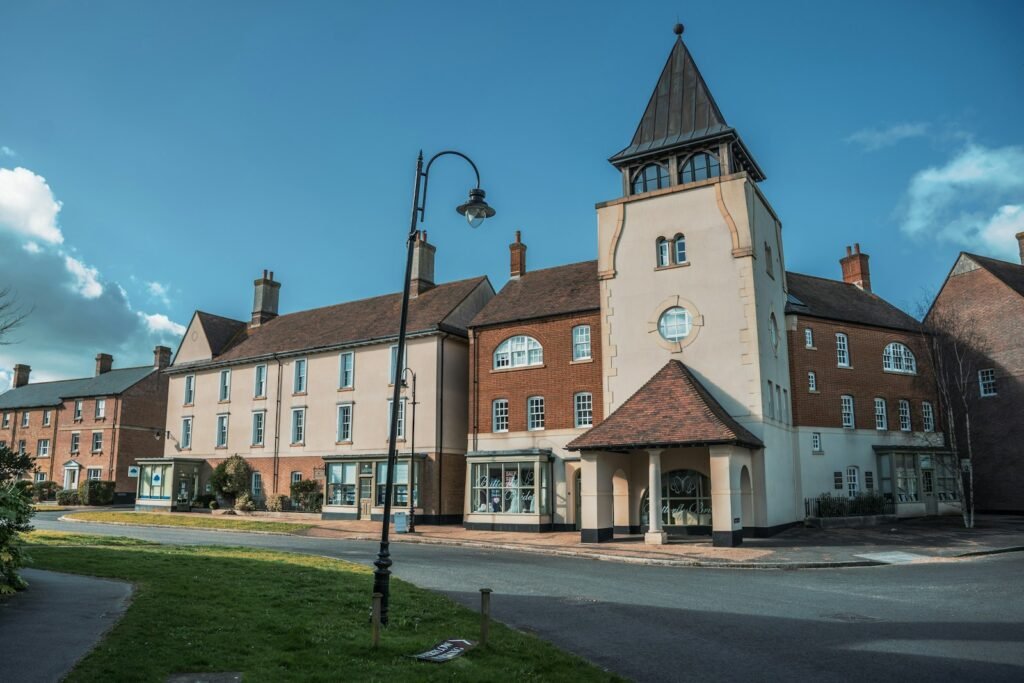
For plant hire Dorchester and West Dorset, 4Counties Hire delivers mini excavators, dumpers, compaction equipment, tractors and implements across Dorchester and West Dorset from our depot near Okehampton. The town sits on chalk, it has deep layers of history under its streets and fields, and the surrounding farms and coast each bring their own demands. This guide covers what that means for the machine you choose, the checks to make before you dig, and how to get kit delivered with the least fuss.

In this guide
Getting plant to Dorchester from Okehampton
Dorchester is a little under 80 miles from our depot, normally via the A30 to Exeter and then east on the A35 through Honiton and Bridport. It is outside our usual same-day area, which covers most of Devon and Cornwall, so we plan plant hire Dorchester deliveries in advance and try to combine items onto one run.
The A35 and A37 handle a low loader without trouble, but some of the lanes in the Frome and Piddle valleys and around the downland villages are narrow and steep, with soft verges. If your site is off a single-track lane, tell us when you enquire, along with any weight limits or low bridges you know about. A photo of the entrance taken from the road is genuinely useful to our drivers.
Digging in chalk: what to expect
Most of the ground around Dorchester is chalk, often with a cap of clay and flints in places. It behaves quite differently from the clays and shales further west:
- Flints are hard on teeth and edges. Expect more bucket wear than you would in soft soil, and check teeth daily.
- Chalk drains well, which helps winter access compared with the clay vales, but it turns greasy and slippery when wet and churned.
- Weathered chalk can be soft near the surface and firmer lower down, and dissolution features occasionally leave soft pockets. Footings may need to go deeper than you planned.
- Chalk spoil bulks up once dug, so allow more dumper trips and skip space than the hole size suggests.
For footings and drainage in chalk, a 2.5 or 3.5 tonne excavator such as the Sunward SWE 25UF or SWE 35UF gives you enough weight and breakout force to keep progress steady. For house extensions on tight plots, the zero-tail SWE 18UF is often the better fit. Pair it with a Weber MT reversible plate for backfill, and keep trench supports on site before you start.
Plant hire Dorchester projects and the history underfoot
Dorchester has Roman roots and is surrounded by prehistoric landmarks such as Maiden Castle and Maumbury Rings, so archaeology comes up more often here than in many towns. This is general information, not advice on any specific site, but it is worth knowing the basics:
- Planning permissions in sensitive areas can carry conditions such as an archaeological watching brief, where an archaeologist observes groundworks. Read your conditions before the digger arrives.
- Any work that would damage or alter a scheduled monument needs scheduled monument consent, granted by Historic England. Working without it is a serious matter.
- If you uncover anything unexpected, stop and contact whoever manages the planning conditions for your site.
From a machine point of view, a watching brief usually means slower, shallower digging with a toothless ditching bucket so the archaeologist can see the layers. Ask us for a smooth-edged bucket when you book, and allow extra hire days, as these jobs rarely run at full speed.
New-build streets such as those at Poundbury, on the western side of town, bring a different set of demands: tight plots, finished roads next door, and an expectation of tidy working. Zero-tail excavators, electric kit like the Tracspider 1000kg carrier and the HG 1000 electric dumper, and a Brendon power washer to keep roads clean all help. You can browse the full construction equipment range.
Farm and estate work in West Dorset
Beyond the town, West Dorset is dairy, beef and arable country running up into the downs. Common farm hires include:
| Job | Machine | Notes |
|---|---|---|
| Breaking up compaction after a wet season | Nardi FAST 3m ripper with the John Deere 6155R | Best when soil is dry enough to shatter rather than smear |
| Picking or crushing stones in arable fields | Valentini 2.3 Leon PTO stone crusher | Useful on flinty downland soils |
| Topping rough grazing and margins | SaMASZ Mammut 2.8m flail topper or Del Moriano 1.8m topper | Flail copes better with rough growth |
| Yard scraping, bale and feed handling | Venieri 1.63D pivot loader | 1,850kg tip load, compact for older yards |
| Moving machines between holdings | Bailey 10-ton low loader trailer | 6m × 2.5m deck |
See the full agricultural equipment range for quads, UTVs and generators as well.
Working near the Jurassic Coast
Towards Weymouth, Bridport and West Bay, coastal jobs bring two extra concerns. First, the cliffs along this stretch are prone to landslips, so keep plant well back from edges and take advice on any slope work. Second, salt air and sand are hard on machinery. Rinse tracks and undercarriages at the end of a coastal hire and let us know if a machine has been working on the beach, so we can check it properly.
For moving material across soft or sensitive surfaces near the coast, low ground pressure tracked carriers do far less damage than wheeled dumpers.
Checklist for a Dorchester groundworks hire
- Read your planning conditions, especially anything about archaeology.
- Check buried services with utility plans and a CAT scan before digging.
- Measure gate widths and note any overhead cables at the drop-off point.
- Decide on trench support and edge protection before the machine arrives.
- Confirm operator training, as all hire is self-drive unless agreed otherwise.
- Arrange insurance for hired-in plant, which is not included in the hire.
Step by step: extension footings in Dorchester chalk
A rear extension on a chalk plot is one of the most common jobs we supply in and around the town. The sequence below is a general method, not a design. Your structural engineer and building control set the actual depths and widths.
- Check the paperwork. Read the planning conditions, confirm any archaeology requirements and book the building control footing inspection in principle so you know their lead time.
- Find the services. Drains, water and gas often run along the back of older houses. Use utility plans, a CAT and, where needed, hand-dug trial holes before the machine goes near them.
- Set out. Mark the trench lines with paint and string, allowing for the bucket width you have chosen.
- Strip topsoil first. Keep it separate from chalk spoil. Mixed together, you lose good garden soil and end up with more to take away.
- Dig to firm, consistent chalk. Weathered chalk near the surface can look solid but break down in the hand. Building control may ask you to go deeper where it is soft or where you find a pocket of clay or a dissolution feature.
- Clean the trench bottom. Remove loose material so the concrete sits on undisturbed ground, then call for the inspection.
- Pour promptly. Chalk softens if water sits in the trench. Have the concrete booked so the trench is not open for days, especially in wet weather.
Plan for spoil. Chalk bulks up noticeably once dug, so a skip that looks generous on paper can fill quickly. A Hyundai 500kg tracked dumper or the Tracspider 1000kg electric carrier keeps the digger working rather than waiting for barrows.
Seasonal planning for West Dorset jobs
Chalk is kinder to winter work than clay, but the calendar still affects plant hire Dorchester projects in several ways.
Wet months
Chalk drains well, but a churned-up chalk surface becomes slippery and sticky. Lay a stone access route early on building plots and keep tracked machines to the same line. On the heavier clay-with-flints caps on the higher downs, winter access can be as poor as anywhere in the Vale.
Spring and summer: birds and hedges
If your job involves removing scrub, trees or a length of hedge, timing matters. GOV.UK guidance on countryside hedgerows says the bird nesting season is generally 1 March to 31 August, and you must not do work that harms nesting birds or their nests. Removing a protected countryside hedgerow also needs notice to the local planning authority, which has 42 days to respond. Check the current guidance before booking a digger for any hedge work.
Summer traffic and harvest
The A35 through Bridport and Chideock and the roads to Weymouth and the coast slow down a lot in the holiday season, and harvest brings large farm machinery onto narrow lanes. We plan long runs around this, but an early-morning delivery slot is often the best choice in July and August.
Working in town: streets, estates and neighbours
Dorchester’s older streets are tight, with terraced houses, rear lanes and little room for a lorry to unload. A few points make town jobs easier:
- Plan the unloading spot. If the machine has to come off on the road, choose a time when the street is quiet and have someone to control pedestrians.
- Skips and materials on the road generally need a permit from the highway authority, which for Dorchester is Dorset Council. Sort this before the skip arrives.
- Choose zero tail. The Sunward SWE 18UF and SWE 25UF keep their counterweight within the tracks, which matters when working between a house wall and a garden fence.
- Keep it quiet where you can. Electric kit such as the HG 1000 dumper and the Tracspider carriers make far less noise than diesel equivalents, which neighbours notice.
- Keep the road clean. Chalk tracked onto a road is slippery and draws complaints quickly. A brush, a shovel and a Brendon power washer at the end of the day solve it.
What to ask before you book plant hire Dorchester
A few questions at the enquiry stage save hire days later. These are the ones worth asking us, or yourself:
| Question | Why it matters |
|---|---|
| Which buckets come with the machine? | A narrow trenching bucket saves concrete; a toothless ditching bucket suits a watching brief. |
| Will the machine fit my access? | Gate widths in old walled gardens and farmyards are often narrower than they look. |
| Do I need a dumper as well? | On chalk, spoil handling is usually the bottleneck, not digging. |
| How will compaction be done? | Backfill and sub-base need a plate or rammer in thin layers. |
| Is weekly or monthly better value? | Archaeology and building control inspections often stretch programmes. |
| What happens if the job overruns? | Ask to extend before your end date and we will confirm the rate. |
If you are running several small jobs across the area and the machines change from week to week, look at Flex Hire, which gives you one machine at a time from a tier for a flat monthly fee, with swaps whenever you need them.
On notice: a day or two ahead is ideal for a Dorchester delivery, and Day 1 delivery is sometimes possible, so it is always worth asking. Where a single site will need the same machines for four months or more, such as a phase of new homes, our long-term rental gives agreed monthly rates, servicing included and one named contact for the whole job.
A short glossary for Dorchester groundworks
Some terms crop up again and again on sites around the town, particularly where heritage and chalk meet. Knowing them makes conversations with your engineer, archaeologist and hire desk quicker.
- Watching brief: a planning condition where an archaeologist watches groundworks as they happen and can pause work to record finds.
- Scheduled monument: a nationally important site protected by law. Works affecting one need consent from Historic England, through the government process, before they start.
- Formation level: the depth you dig down to before laying sub-base or concrete.
- Battering: cutting trench or excavation sides back to a safe slope instead of, or as well as, using trench supports.
- Clay-with-flints: the reddish, flinty clay that caps parts of the chalk downs. It is heavier and wetter than the chalk beneath.
- Dissolution feature: a softened pocket or hollow in chalk where water has dissolved the rock over time. It may mean deeper footings.
- Bulking: the increase in volume when ground is dug out. It is why spoil always seems to exceed the size of the hole.
- Zero tail swing: an excavator whose rear stays within the width of its tracks when it turns, ideal for tight plots.
If a term on your drawings or planning decision is not on this list, ask the person who wrote it. Guessing at a condition is how jobs end up stopped.
Example: a farm track and yard repair near Dorchester
An illustrative case rather than a real customer: a mixed farm a few miles outside the town needs to rebuild a worn track between the yard and the top fields, and resurface a section of yard. A sensible kit list might be a Sunward SWE 60UF to dig out soft spots and shape the track, a Dragon 400 tracked crusher to turn old concrete from a demolished building into usable hardcore, and the Venieri 1.63D pivot loader to spread and move material around the yard. The Bailey 10-ton low loader moves the excavator between parts of the holding.
Two checks before starting. First, crushing brick and concrete is a regulated waste activity, normally relying on a waste exemption registered with the local council, so confirm the position for your site before the crusher arrives. Second, if the track crosses near a scheduled monument or a protected hedgerow, deal with the consents first. Then compact the stone in layers with a Weber MT CR 7 reversible plate to get a surface that lasts.
Frequently asked questions
Which digger is best for chalk around Dorchester?
For extensions and small footings, a 1.8 to 2.5 tonne zero-tail machine. For bigger trenches or flint-heavy ground, the extra weight of a 3.5 tonne excavator helps. Tell us the job and we will suggest one.
Can I get a ditching bucket for an archaeological watching brief?
Ask when you book and we will tell you what is available for the machine you are hiring.
Do you deliver tractors and implements to West Dorset farms?
Yes. We cover the whole of Dorset, including farms around Beaminster, Maiden Newton and the Piddle valley.
What if an archaeologist pauses the dig?
It happens on watching briefs. Hire charges continue while the machine is on site, so if the programme is slipping, contact us before the end date to extend, or ask whether off-hiring and redelivering later makes more sense.
Can I use plant hire Dorchester kit for hedge removal in spring?
The machines can do it, but the law may not allow it. The nesting season generally runs from 1 March to 31 August, and protected hedgerows need notice to the planning authority before removal. Check first.
Do you deliver to Weymouth and Portland?
Yes, both are within our Dorset area. Portland is reached by a single road along the causeway, and much of the island is stone close to the surface, so tell us about the ground and access when you enquire. Allow a little extra notice in the summer season.
Should I hire weekly or monthly for a Dorchester extension?
A straightforward footing and drainage job often fits within a week or two. Where inspections, archaeology or weather could stretch the programme, ask us to quote both weekly and monthly so you can compare before you commit.
Book plant hire Dorchester jobs with us
WhatsApp or call 07841 036064, Monday to Friday 7:30am to 5:30pm, with the machine, site postcode, dates and access details, and we will reply with a quote. For multi-machine or account enquiries, use our contact page or email info@conagri.co.uk.


